

The Federal Government has presented 65 investment projects valued at approximately $78.5 billion to Polish investors as part of efforts to attract foreign capital, expand domestic production and create employment opportunities across Nigeria.
The investment opportunities were presented by the Minister of Finance and Coordinating Minister of the Economy, Taiwo Oyedele, during the second Polish-Nigerian Economic Forum held in Lagos on Tuesday, November 24, 2026.
According to the Federal Ministry of Finance, the proposed projects are expected to generate approximately 366,000 jobs across different productive sectors of the Nigerian economy.
The initiative forms part of the government’s efforts to strengthen economic relations with Poland and encourage international investors to participate in Nigeria’s infrastructure and industrial development.
The projects are being promoted through Projects Nigeria, a government investment deal room designed to connect investors with commercially viable opportunities.
The ministry explained that the 65 projects are supported by completed feasibility studies and are intended to attract private sector capital into infrastructure, manufacturing, energy and other areas.
However, the $78.5 billion represents the combined value of the proposed investment opportunities rather than funds already committed or received by the Nigerian government.
Government seeks productive economic partnerships
Speaking at the forum, Oyedele called for a stronger economic partnership between Nigeria and Poland, stressing the importance of moving beyond traditional diplomatic relations towards practical commercial cooperation.
He noted that both countries had significant opportunities to expand trade, industrial development and investment.
The minister explained that Nigeria was seeking partnerships capable of supporting factory development, infrastructure financing, technology transfer and domestic production.
He also highlighted the need for Nigeria to move beyond dependence on raw material exports by encouraging investment in activities that add value to locally produced resources.
According to the ministry, Nigeria’s economic relationship with Poland has considerable room for expansion despite the long-standing diplomatic and commercial ties between both countries.
The government believes that stronger partnerships could provide Nigerian businesses with access to industrial technology, machinery, technical expertise and international markets.
Investment opportunities across major sectors
The 65 proposed projects cover several areas considered important to Nigeria’s long-term economic development.
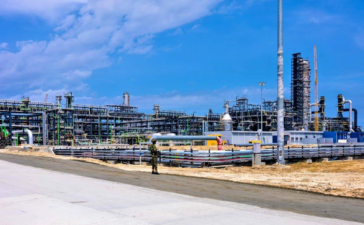
Infrastructure is one of the major sectors being targeted, particularly because of the country’s need for modern transportation systems, industrial facilities and other public infrastructure.
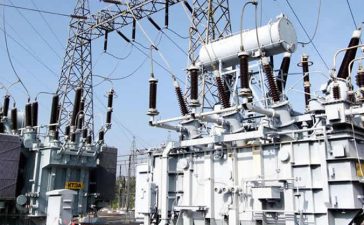
Energy is another important area, given the need to improve electricity supply, expand energy infrastructure and support industrial production.
Manufacturing also features prominently in the investment programme.
Nigeria has continued to seek ways to strengthen domestic production and reduce dependence on imported finished goods.
Investment in factories, processing facilities and industrial equipment could support local production, create employment and improve the competitiveness of Nigerian businesses.
Agriculture and related industries also offer opportunities for investment, particularly in food processing, fertiliser production and the development of value chains.
The government is seeking to encourage investors to participate in businesses that can create economic value rather than focusing only on the export of unprocessed commodities.
Nigeria and Poland’s trade relationship
The forum also highlighted the relatively modest level of trade between Nigeria and Poland compared with the economic potential of both countries.
Figures released by the Federal Ministry of Finance showed that bilateral merchandise trade stood at approximately $734 million in 2025.
Nigeria exported goods worth about $565 million to Poland, while imports from Poland amounted to approximately $169 million.
This gave Nigeria a trade surplus of around $396 million.
However, crude oil accounted for more than 90 per cent of Nigeria’s exports to Poland, demonstrating the country’s limited diversification in the European market.
Oyedele called for broader trade relations that would include processed agricultural products, fertilisers, sesame, industrial machinery, technology and services.
Expanding trade into these areas could provide opportunities for Nigerian businesses to increase exports and strengthen their presence in international markets.
Poland’s potential role in Nigeria’s industrial development
Poland has experience in industrial manufacturing, engineering, machinery and other technical sectors that could support Nigeria’s development ambitions.
The Nigerian government is seeking to attract Polish companies interested in participating in local manufacturing, infrastructure development and energy-related investments.
Such partnerships could provide Nigerian businesses with access to technical expertise and industrial equipment while supporting the expansion of domestic production.
The government has also pointed to Nigeria’s position within the African Continental Free Trade Area as an important advantage for foreign investors.
Through the continental trade agreement, businesses operating in Nigeria could potentially access wider African markets.
This opportunity may strengthen the country’s appeal as a destination for companies seeking to establish production facilities within West Africa.
Investment proposals must translate into real projects
Although the presentation of 65 projects represents an important step in Nigeria’s investment promotion efforts, the actual economic benefits will depend on how many proposals progress to financial commitments and implementation.
Investors will need to assess project viability, financing structures, regulatory requirements, infrastructure availability and potential returns.
The government will also need to provide a stable business environment, predictable policies and effective institutions to encourage long-term investment.
For Nigeria, the priority will be ensuring that the proposed investment opportunities move beyond presentations and become operational businesses capable of creating employment and supporting economic growth.
If successfully implemented, the projects could contribute to industrial development, strengthen trade relations with Poland and create opportunities for Nigerian businesses and workers.