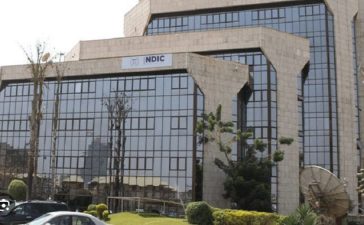
The Nigeria Deposit Insurance Corporation has announced its intention to declare and pay final liquidation dividends to eligible depositors, creditors and shareholders of the defunct Progress Bank of Nigeria.
In a notice published on October 19, 2026, the corporation said the proposed payments followed recoveries made during the liquidation process. The NDIC is acting as the official liquidator of the former bank and has invited eligible stakeholders to submit their claims through its established channels.
The announcement is important for people and organisations that still have outstanding claims connected to the failed institution. It also highlights the role of the NDIC in recovering assets and distributing available funds after a financial institution enters liquidation.
However, the notice of intention should not be interpreted as confirmation that every claimant has already been paid. Eligible stakeholders must follow the corporation’s instructions and satisfy the applicable claims requirements.
How bank liquidation works
When a bank fails and its operating licence is revoked, the process of resolving the institution may involve the appointment of a liquidator. In Nigeria, the NDIC can be appointed to manage the liquidation process under the applicable legal and regulatory framework.
The liquidator identifies the institution’s assets and liabilities, pursues outstanding debts, realises assets where appropriate and determines how available funds can be distributed among eligible claimants.
These activities can take time, especially where the failed institution has outstanding loans, disputed assets or other financial and legal obligations.
Money recovered during liquidation may be used to make payments to creditors and depositors according to the applicable legal priorities and the funds available. The amount ultimately recovered can depend on the value of the institution’s assets and the success of recovery efforts.
This explains why the conclusion of a liquidation process may take longer than the initial reimbursement of insured deposits.
What the latest Progress Bank notice means
The NDIC’s October 19 announcement indicates that the corporation intends to declare final liquidation dividends following what it described as impressive recoveries.
The notice invites eligible depositors, creditors and shareholders to visit the corporation’s official website and use its claims facility or approach the designated NDIC offices for assistance.
The corporation listed its Lagos office at 23A Marina, Lagos Island, among the locations where claimants can seek guidance.
Potential claimants should verify the requirements directly with the NDIC and ensure that their documentation is accurate. They should also use official channels rather than paying unauthorised intermediaries who promise to secure access to liquidation funds.
The announcement is specifically connected to Progress Bank of Nigeria in liquidation. It should not be confused with separate liquidation processes involving other failed financial institutions.
Why recoveries matter to depositors
The recovery of assets is an important part of the NDIC’s responsibilities because initial insured-deposit payments may not settle every claim associated with a failed bank.
Where depositors have balances beyond the insured amount, additional recoveries may help fund liquidation dividends, subject to the relevant legal rules and available assets.
The process can also involve creditors and shareholders, although their rights and the order in which claims are settled depend on the applicable legal framework.
For affected individuals and businesses, the possibility of final dividends offers an opportunity to pursue outstanding entitlements. However, the amount available to each claimant will depend on the recognised claim and the distribution arrangements established by the liquidator.
The wider role of the NDIC
The NDIC is responsible for protecting insured deposits and supporting confidence in Nigeria’s financial system. It works alongside the CBN in the supervision and resolution of insured financial institutions.
Deposit insurance is designed to reduce the immediate financial impact of bank failure for eligible depositors. Liquidation activities serve a different but related purpose by recovering assets and distributing funds under the applicable rules.
The corporation’s work on failed banks is therefore important not only to individual claimants but also to confidence in the wider banking system.
The NDIC has also encouraged the public to use licensed financial institutions and remain cautious about unregulated investment schemes. Deposits placed with institutions outside the applicable insurance framework may not receive the same protection.
What eligible claimants should do
People who believe they are entitled to payments connected to Progress Bank should consult the official NDIC notice, verify whether they qualify and follow the claims process. They should keep relevant account records and identification documents available and seek clarification from the corporation if information is missing.
The notice does not establish that a particular payment date or amount has been guaranteed for every claimant. Those details should be confirmed through official NDIC communications.
The planned final dividends mark a significant stage in the liquidation process, but the outcome for individual claimants will depend on verification and the distribution of recovered funds.