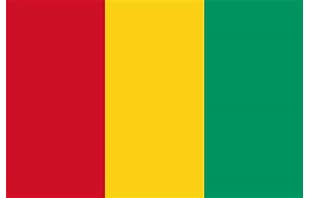
Voters in Guinea-Bissau are taking part in a referendum on proposed constitutional changes that could significantly alter the country’s political system and strengthen the powers of the presidency.
The referendum comes as Guinea-Bissau continues to deal with years of political instability, disputes between political institutions and repeated interruptions to democratic government. The proposed changes are being closely watched because they could influence how the country’s president interacts with parliament and other branches of government.
The vote is part of efforts to reform Guinea-Bissau’s political and constitutional framework. Supporters of the proposed changes argue that reforms are necessary to create clearer responsibilities among state institutions and reduce conflicts that have repeatedly affected the country’s government.
However, critics have expressed concerns about concentrating too much authority in the presidency. They argue that stronger presidential powers could weaken checks and balances and potentially make it more difficult for parliament and other institutions to hold the executive branch accountable.
Guinea-Bissau has a long history of political instability. Since gaining independence from Portugal in 1974, the West African country has experienced several coups and attempted coups, as well as frequent changes of government. Political disagreements between presidents, prime ministers and parliament have also contributed to instability.
The referendum is therefore being seen as more than simply a vote on constitutional amendments. It is also a test of whether Guinea-Bissau can establish a political system capable of providing greater stability while maintaining democratic safeguards.
The country’s political challenges have also affected its economy and development. Guinea-Bissau remains heavily dependent on agriculture, particularly cashew production, while poverty and limited infrastructure continue to pose major challenges for its population.
International observers are paying close attention to the referendum because the outcome could influence the country’s future political direction. The United Nations and regional organisations have repeatedly encouraged Guinea-Bissau’s political leaders to resolve disagreements through constitutional and democratic processes rather than confrontation.
For supporters of the reforms, a clearer division of responsibilities between government institutions could help prevent future political crises. They believe stronger presidential authority, if accompanied by appropriate institutional checks, could make government more effective.
Opponents, however, want safeguards to ensure that any constitutional changes do not undermine democratic institutions. They are particularly concerned that giving the president additional powers could create an imbalance between the executive and legislative branches.
The outcome of the referendum could therefore have significant consequences for Guinea-Bissau’s political future. If voters approve the changes, authorities will face the task of implementing the new constitutional framework while convincing political opponents that democratic checks and balances will remain protected.
If the proposals are rejected, the country’s political leaders will have to find another way to resolve the disagreements that have contributed to repeated instability.
The referendum ultimately represents an important moment for Guinea-Bissau as the country attempts to strengthen its democratic institutions and create a more stable political system.