The currencies of Ghana and Uganda are expected to come under further pressure against the US dollar over the coming week, according to traders surveyed in a Reuters report published on Thursday, September 3, 2026.
The expected weakness is largely linked to strong demand for foreign currency, particularly the US dollar, as businesses and importers seek dollars to pay for goods and services.
Uganda’s shilling faces pressure
Uganda’s shilling has been weakening as demand for dollars from energy importers increases. Global market volatility, particularly uncertainty linked to the Middle East, has also contributed to the pressure.
Commercial banks were quoting the shilling at around 3,780–3,790 Ugandan shillings per US dollar, compared with approximately 3,750–3,760 a week earlier.
Higher energy-related dollar demand means Ugandan businesses may have to spend more local currency to purchase the dollars needed for imports.
Ghana’s cedi also under pressure
Ghana’s cedi is experiencing similar pressure. It was trading at about 11.30 cedis per dollar, compared with 11.20 a week earlier.
Traders said strong corporate demand for dollars to pay for imports, together with foreign investors repatriating coupon payments, is adding pressure to the currency. Ghana’s central-bank foreign-exchange auctions are also attracting strong demand.
Kenya and Zambia expected to remain steadier
The pressure is not affecting every major African currency equally.
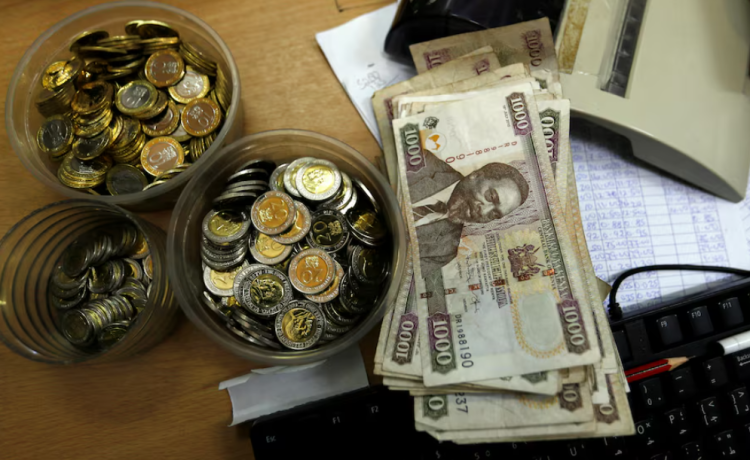
Kenya’s shilling is expected to remain relatively stable at around 129.35–129.55 per dollar. Zambia’s kwacha is also expected to hold broadly steady, supported by high copper prices and relatively low speculative activity.
What this means
A weaker currency can make imports more expensive, potentially increasing costs for businesses and consumers. For Ghana and Uganda, continued demand for dollars will be an important factor to watch in the coming week.