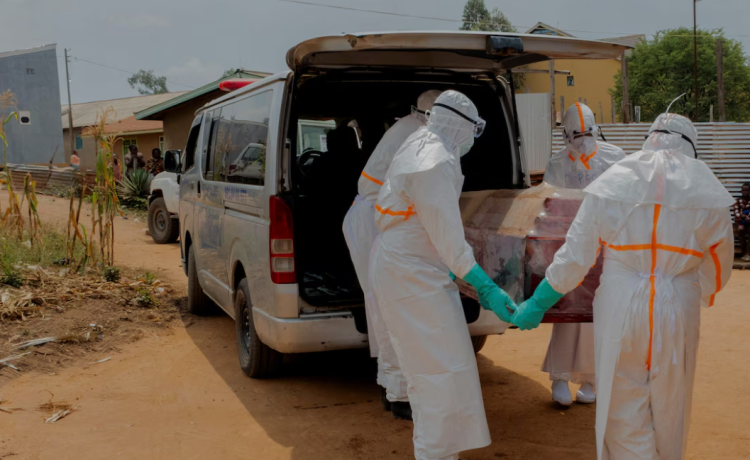
The Ebola outbreak in the Democratic Republic of Congo (DRC) has reached a critical stage, with more than 6,250 confirmed cases and 3,039 deaths recorded as of September 1, 2026. The outbreak has now spread across 60 health zones in six provinces, according to the latest government figures.
The outbreak, which was declared in May, is caused by the Bundibugyo species of Ebola virus. Health authorities say it is spreading faster than they can track and contain it, with insecurity, population displacement and frequent movement between communities making the response more difficult.
Health authorities face major challenges
The Africa Centres for Disease Control and Prevention (Africa CDC) has warned that it is still too early to declare the outbreak under control, despite a decline in reported cases over the past two weeks. Transmission remains active in 51 health zones.
One of the biggest problems is that many infected people are not being identified quickly enough. More than 60% of deaths recorded during the latest seven-day period occurred within communities, rather than in treatment centres. This suggests that some patients are reaching healthcare facilities too late or dying before receiving specialised care.
Mobile phone data being used to track the virus
In an unusual approach, health officials and researchers working with the World Health Organisation (WHO) are using anonymised mobile-phone data to understand how people move between affected areas.
The information is being used to identify locations where the virus could spread next and to help authorities focus surveillance and response efforts. The approach has already highlighted important transport links, including areas around Bunia and Kisangani.
Treatment remains a major concern
The Bundibugyo strain responsible for the outbreak has no approved specific vaccine or treatment, although researchers are working on possible vaccines and treatments. WHO says strengthening surveillance, contact tracing, clinical care and community engagement will be essential to stopping transmission.
Authorities are also trying to build greater trust within affected communities because fear, misinformation and resistance to some health measures can delay treatment, contact tracing and safe burials.
The Africa CDC says the outbreak may not have reached its peak, meaning the situation could become even more serious if transmission chains are not quickly identified and broken.