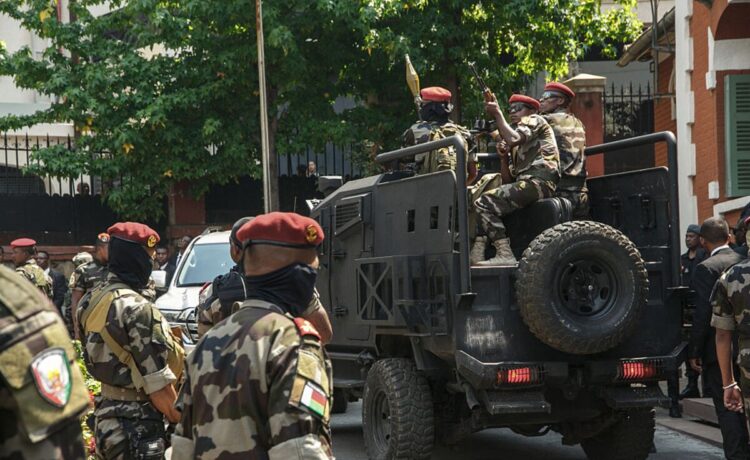
The United States has raised concerns over Madagascar’s growing military cooperation with Russia, warning that closer security ties with Moscow could expose the island nation and neighbouring countries to challenges similar to those experienced in parts of West Africa’s Sahel region.
The warning was issued by Lieutenant General John Brennan, Deputy Commander of US Africa Command, who cautioned against extending what he described as the Sahel model of security cooperation to Madagascar and neighbouring Mozambique.
Brennan pointed to developments in Mali, Burkina Faso and Niger, where military-led governments reduced security cooperation with Western partners and turned to Russia for assistance in confronting jihadist groups.
Despite the change in security partnerships, militant attacks have continued in parts of the Sahel, raising questions about the effectiveness of the approach in delivering lasting stability.
The US military official said the experience should serve as a warning to other African countries considering similar arrangements.
Madagascar has reportedly strengthened its military relationship with Russia since the military takeover in 2025, with Moscow supplying weapons and military instructors to the country.
President Michaël Randrianirina has pursued closer relations with Russia since assuming leadership, reflecting a broader shift in the country’s external security and diplomatic engagement.
Washington’s concern also extends to the strategic importance of the Mozambique Channel, which lies between Madagascar and mainland southeastern Africa.
The waterway is an important route for international maritime trade and energy shipments, making security developments in the surrounding region significant to wider commercial and geopolitical interests.
Instability around the channel could raise concerns about maritime security, shipping routes and the protection of critical trade infrastructure.
The US position reflects broader concerns about Russia’s expanding military and political influence in parts of Africa, particularly as some governments seek alternatives to traditional Western security partnerships.
However, the debate also highlights the choices facing African governments as they seek external military assistance while balancing national sovereignty, security needs and international relationships.
For Madagascar, the challenge will be to ensure that any external security partnership delivers measurable improvements in national defence and regional stability without creating new strategic vulnerabilities.