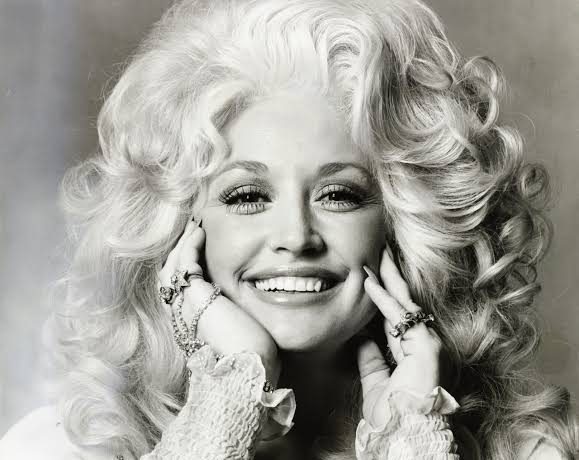
Dolly Parton, the legendary American singer, songwriter, actress, businesswoman and philanthropist whose music transformed stories of poverty, heartbreak, faith and resilience into some of the world’s most recognisable songs, has died at the age of 80.
Parton’s death was announced by her family on Tuesday, August 25, 2026. Her representatives said she died peacefully in Nashville following a brief battle with cancer.
Her passing brings to a close one of the most remarkable careers in modern entertainment.
For more than six decades, Parton built a career that extended far beyond country music. She became an actress, author, entrepreneur and philanthropist while maintaining a distinctive connection with the Appalachian roots that shaped her childhood and songwriting.
Yet perhaps the most enduring part of her legacy lies in the way she transformed personal experiences into stories that millions of people could recognise as their own.
From Poverty to Global Stardom
Parton’s extraordinary rise began in rural Tennessee, where she was born in January 1946 as the fourth of 12 children.
Her family lived in poverty, and her father worked as a sharecropper. Despite their limited financial circumstances, music was an important part of her childhood.
Those early experiences would later become central to her songwriting.
One of her most celebrated songs, “Coat of Many Colors,” drew directly from her childhood. The song tells the story of a coat her mother made from scraps of fabric because the family could not afford a conventional winter coat.
Rather than presenting poverty simply as deprivation, Parton transformed the experience into a story about family, dignity and love.
That ability to find emotional meaning in ordinary experiences became one of the defining characteristics of her career.
By the age of 10, she was already performing on local radio and television programmes.
Three years later, she made her debut at the Grand Ole Opry, before eventually moving to Nashville immediately after graduating from high school.
Her early success came not only as a performer but also as a songwriter.
She began writing songs for other country performers before establishing herself as a major recording artist.
Songs Built Around Love and Loss
Parton’s songwriting frequently explored the emotional complexity of relationships.
Love, separation, longing and loss appeared repeatedly throughout her work.
Songs such as “Jolene” captured fear and vulnerability, while “I Will Always Love You” demonstrated her extraordinary ability to express love and separation with simplicity.
The latter became one of her signature compositions and achieved an even wider global audience when Whitney Houston recorded it for the film The Bodyguard.
Parton’s ability to write about heartbreak without losing emotional warmth helped make her music accessible far beyond the traditional country audience.
Her songs often contained deeply personal experiences but were written in a way that allowed listeners to see themselves in the stories.
That quality helped transform her from a country performer into a global cultural figure.
A Voice for Women and Working People
Parton’s influence also extended into discussions about women, work and independence.
Her 1980 film and song “9 to 5” became closely associated with the experiences of working women.
The song captured workplace frustration while giving it a sense of humour and energy.
Parton’s career itself also challenged conventional expectations about women in entertainment.
She became a songwriter, performer, actress, producer and businesswoman who maintained significant control over her creative and commercial ventures.
Her success demonstrated that a woman could build a powerful career without abandoning her identity or roots.
Faith and Spirituality
Spirituality was another recurring theme throughout Parton’s life and music.
Raised in a religious family, she frequently incorporated faith, hope and compassion into her work.
Gospel music remained an important influence on her artistic identity.
Her spirituality also became visible in the way she approached adversity.
Rather than presenting success as a simple journey from poverty to wealth, Parton’s public story often emphasised perseverance, gratitude, family and the belief that difficult experiences could produce something meaningful.
This combination of optimism and realism became central to her public persona.
A Career That Went Beyond Music
Parton’s achievements extended well beyond the recording studio.
She became a successful actress, appearing in films including 9 to 5 and Steel Magnolias, while also building a major business empire.
Her Dollywood theme park in Tennessee became one of the most recognisable entertainment destinations in the United States.
She also became one of the most prominent philanthropists in the entertainment industry.
Through the Dolly Parton’s Imagination Library, she helped provide books to children, making early childhood literacy one of the central causes associated with her name.
Her philanthropy reflected a recurring theme in her life: remembering where she came from and using success to create opportunities for others.
A Personal Year of Loss
Parton’s final years were also marked by significant personal challenges.
Her husband of nearly six decades, Carl Dean, died in March 2025.
The loss deeply affected Parton.
She subsequently spoke publicly about dealing with grief while continuing to work.
Health challenges also affected her activities in the months before her death.
She had cancelled some appearances and acknowledged that she was dealing with health issues, although she continued to express a desire to work and pursue new projects.
That determination was characteristic of a career in which retirement never seemed to fully appeal to her.
Even at 80, Parton continued to think about new creative possibilities.
The Businesswoman Behind the Rhinestones
Parton’s public image was defined by her distinctive appearance — elaborate hairstyles, colourful clothing, rhinestones and an unmistakable sense of humour.
But behind the glamorous image was a highly strategic businesswoman.
She built businesses around her music, entertainment and personal brand, demonstrating an understanding of intellectual property and commercial opportunities that helped preserve her financial independence.
Her career became an example of how entertainers could transform artistic success into broader business influence.
She also retained a strong connection to her Appalachian identity throughout her rise.
Rather than distancing herself from her humble beginnings, she repeatedly incorporated them into her music, storytelling and philanthropy.
A Legacy Measured Beyond Awards
Parton’s achievements included numerous major honours.
She received 11 Grammy Awards and was inducted into both the Country Music Hall of Fame and the Rock and Roll Hall of Fame, placing her among a rare group of performers whose influence crossed musical boundaries.
She also received the Grammy Lifetime Achievement Award and the National Medal of Arts, among numerous other recognitions.
But awards tell only part of the story.
Her influence can also be measured through the artists she inspired, the songs that have been repeatedly recorded by others and the millions of people reached through her charitable work.
Her catalogue reportedly includes around 3,000 songs, demonstrating the extraordinary scale of her songwriting career.
The End of an Era
News of Parton’s death has prompted an international wave of tributes from musicians, entertainers, political figures and fans.
Those tributes reflect the unusual breadth of her influence.
She was simultaneously a country music legend, Hollywood performer, entrepreneur, philanthropist and cultural personality.
But perhaps what made Parton particularly distinctive was her ability to remain relatable despite achieving extraordinary fame.
She could sing about poverty because she had experienced it.
She could write about heartbreak because she understood it.
She could speak about faith because it remained central to her worldview.
And she could advocate for opportunity because she understood what it meant to begin with very little.
A Story That Became Bigger Than the Singer
Dolly Parton’s life was ultimately a story about transformation.
A girl raised in poverty became one of the world’s most successful entertainers.
A songwriter from the Appalachian mountains created music that crossed generations, countries and musical genres.
A performer known for rhinestones and humour became an influential advocate for literacy and philanthropy.
And a woman who spent much of her life telling stories about love, loss, family and perseverance became part of the stories of millions of people who listened to her music.
Parton’s death at 80 marks the end of an extraordinary chapter in entertainment history.
But her songs, businesses, charitable programmes and the countless lives touched by her work ensure that her influence will continue.
Dolly Parton spent a lifetime turning experiences into songs.
In the end, those songs became a legacy far larger than the life that inspired them.