Somalia’s former Chief Justice, Bashe Yusuf Ahmed, has alleged that more than 300 security personnel occupied the country’s Supreme Court following a controversial judicial ruling concerning President Hassan Sheikh Mohamud’s tenure.
The allegation has raised fresh concerns about the independence of Somalia’s judiciary and the relationship between the country’s executive and judicial institutions.
Ahmed made the claim during an interview with Al Jazeera, saying security personnel had militarily occupied the Supreme Court after it delivered a ruling concerning the extension of the president’s term.
According to the former chief justice, the court had ruled that the extension of President Mohamud’s tenure, and consequently his presidency, was unconstitutional.
The reported occupation has drawn attention to the growing political and institutional tensions in Somalia, where disagreements over constitutional interpretation and the exercise of government authority have remained sensitive issues.
The allegation, reported on November 10, 2026, is particularly significant because the judiciary is expected to function independently of political pressure and provide constitutional oversight.
Controversy surrounding presidential tenure
The dispute centres on the constitutional and legal authority surrounding the extension of President Mohamud’s tenure.
In democratic systems, the length of a president’s term is normally determined by the constitution and applicable electoral laws.
Any attempt to extend a presidential tenure beyond the established constitutional period can generate political disagreement, especially when there is no broad agreement among political institutions.
In Somalia, disagreements over constitutional arrangements and the country’s political transition have repeatedly created tensions between national leaders and other political actors.
The former chief justice’s allegation suggests that the dispute has moved beyond political debate and into the relationship between the executive and the judiciary.
However, the details of the court proceedings, the complete text of the judgment and the government’s response to the allegation are important factors in understanding the dispute.
The claim that the president’s term extension was unconstitutional has been attributed to the former chief justice’s account of the court’s decision.
Concerns over judicial independence
The independence of the judiciary is an important requirement for constitutional government.
Courts are expected to interpret laws, settle disputes and ensure that government institutions operate within their legal authority.
When judicial decisions become the subject of political confrontation, public confidence in the justice system can be affected.
The allegation that security forces occupied the Supreme Court therefore raises serious questions about whether judicial institutions can carry out their responsibilities without interference.
Security agencies have legitimate responsibilities, including protecting public institutions and maintaining law and order.
However, their activities must remain within the law and should not undermine the ability of courts to operate independently.
An occupation of a court following a politically sensitive judgment, if confirmed, could create concerns about the safety of judicial officials and the enforcement of constitutional decisions.
It could also affect the willingness of judges to make independent decisions in cases involving powerful political figures.
Somalia’s wider political challenges
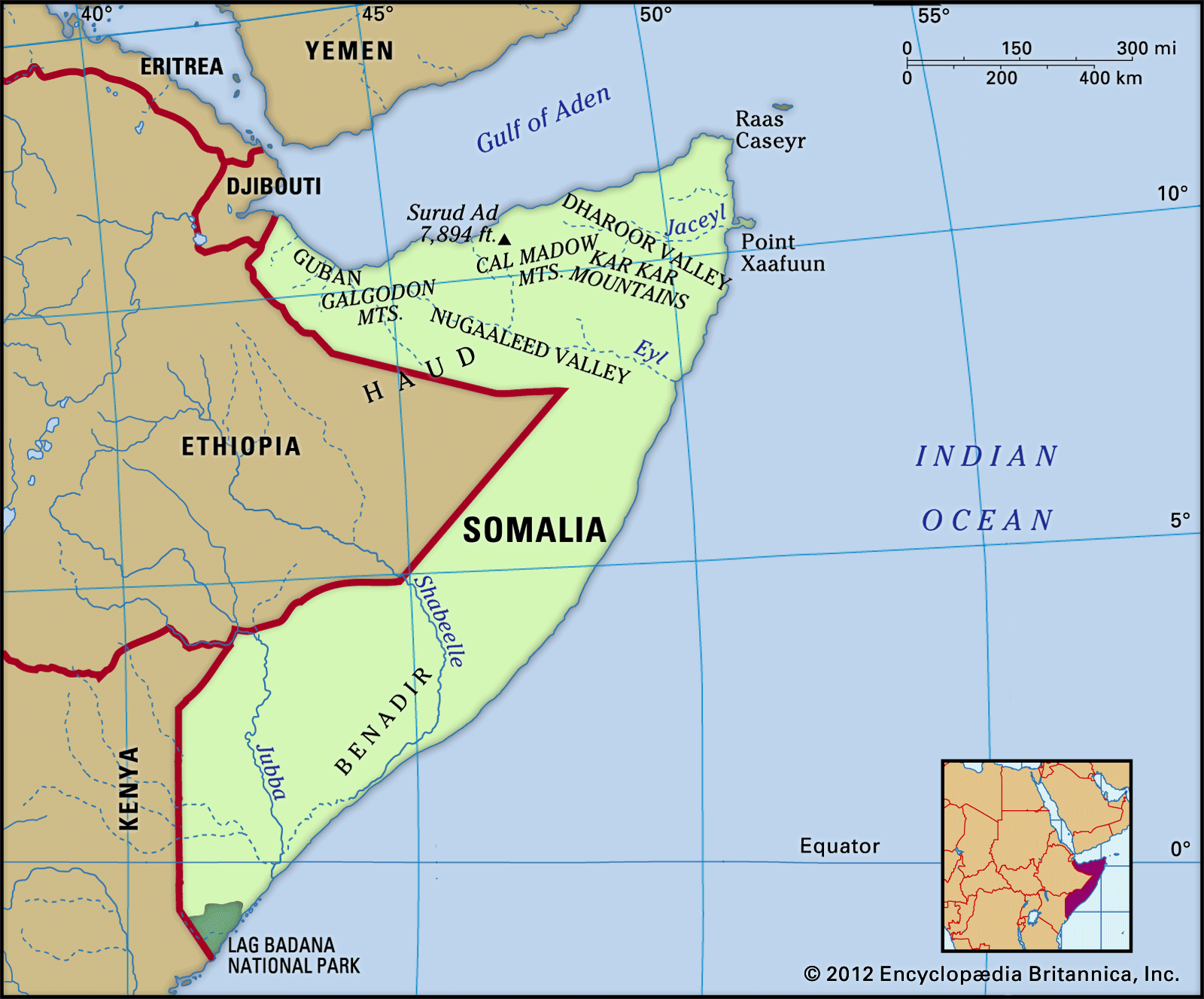
Somalia has experienced decades of political instability, armed conflict and institutional challenges.
The country has made efforts to strengthen its federal government, rebuild public institutions and improve national security.
However, disagreements over the distribution of political authority between federal and regional administrations continue to affect governance.
The country is also dealing with security threats from the armed group al-Shabaab, which has carried out attacks against government institutions, security personnel and civilians.
These challenges make institutional stability particularly important.
A functioning and independent judiciary can help resolve political disputes through legal processes rather than allowing disagreements to develop into wider confrontations.
The current controversy therefore comes at a sensitive time for Somalia.
Implications for democratic governance
The allegations have implications beyond the immediate dispute involving the Supreme Court.
A judiciary that is perceived as vulnerable to political pressure may struggle to maintain public confidence.
Investors and international development partners also consider institutional stability when assessing the risks of operating in a country.
Uncertainty surrounding constitutional authority can complicate government planning, discourage investment and create additional concerns about the enforcement of contracts and property rights.
For Somalia, strengthening judicial independence is therefore important not only for democratic governance but also for economic development and international confidence.
The authorities will need to address the allegations transparently and clarify the legal circumstances surrounding the reported court occupation.
It is equally important that any disagreements over presidential tenure are resolved through established constitutional and judicial procedures.
What happens next?
The situation requires further clarification from the Somali government, the judiciary and relevant security authorities.
The complete judgment, the legal basis for the reported security deployment and the government’s position would help establish the circumstances surrounding the incident.
Until further official information becomes available, the allegation should be treated as the account of the former chief justice rather than an independently established finding.
Nevertheless, the controversy highlights the importance of protecting judicial institutions and ensuring that political disagreements are handled within constitutional limits.
For Somalia, the ability of its institutions to resolve this dispute peacefully will be an important test of its commitment to democratic governance and the rule of law.