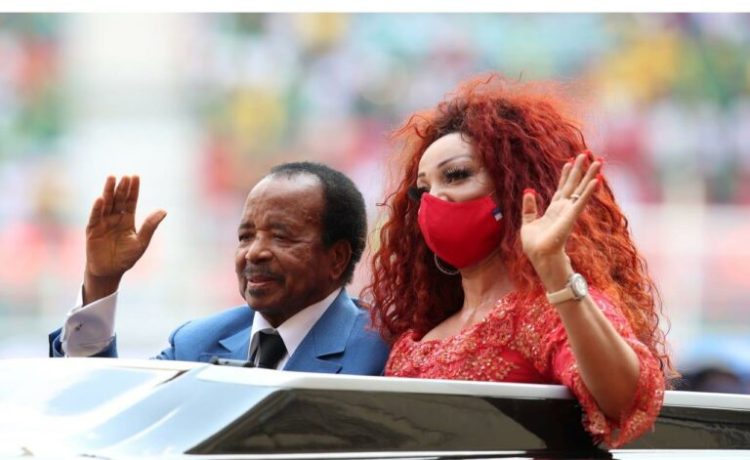
Cameroon’s President, Paul Biya, has scheduled the country’s delayed legislative and municipal elections for February 7, 2027, bringing an end to months of uncertainty surrounding the renewal of the National Assembly and local government councils.
The announcement was made through a presidential decree signed on Monday, November 9, and read on public radio.
According to the decree, voters will elect members of the National Assembly and municipal councillors on the same day, with polling scheduled to take place between 8:00 a.m. and 6:00 p.m.
The announcement was reported by the African Press Agency and Al Jazeera on November 10, 2026.
The elections are politically significant because the country’s parliamentary and municipal polls have already been postponed twice, resulting in extensions of the terms of existing officeholders.
The new date provides a clearer electoral timetable for political parties, candidates and voters preparing for the next phase of Cameroon’s political process.
Elections postponed twice
Cameroon’s legislative and municipal elections were originally expected to take place in 2025.
However, the government subsequently postponed the polls, with further delays extending the uncertainty into 2026.
The repeated postponements meant that the terms of elected lawmakers and municipal councillors had to be extended.
According to the African Press Agency, the terms of members of the National Assembly elected in February 2020 were extended until December 20, 2026.
The terms of municipal councillors were also extended until February 28, 2027.
The February 7 election date is therefore important because it creates an opportunity for voters to elect new representatives before the existing extensions reach their respective deadlines.
The decision is also expected to increase political activity as parties begin preparing candidates and mobilising supporters.
Political tensions surrounding the election
The announcement comes amid a politically sensitive period in Cameroon.
President Biya, who has governed the country since 1982, secured another presidential term following the October 2025 election.
However, the election generated widespread controversy, with opposition groups challenging the outcome and criticising the government’s handling of the electoral process.
Protests followed the announcement of the presidential result, and security forces were accused of using excessive force against demonstrators.
Human Rights Watch reported allegations that security personnel detained large numbers of people during the post-election unrest.
The political atmosphere has remained tense, with opposition figures continuing to raise concerns about political freedoms and the conduct of public institutions.
The government’s decision to schedule the legislative and municipal elections therefore comes at a time when questions about political participation and electoral credibility remain important.
Opposition parties prepare for another political contest
The February 2027 elections are expected to provide opposition parties with another opportunity to challenge the ruling political establishment.
However, the political environment remains difficult for some opposition groups.
Al Jazeera reported that authorities suspended the Cameroon National Salvation Front, the party of defeated opposition presidential candidate Issa Tchiroma Bakary.
Bakary went into exile in The Gambia after rejecting the presidential election outcome and declaring himself the winner.
The suspension of his party has added to concerns about the political space available to opposition movements.
For opposition parties, the upcoming elections will involve not only campaigning and presenting candidates but also addressing concerns about electoral administration, political freedoms and access to public institutions.
The credibility of the electoral process will be an important consideration for voters and international observers.
Questions about political succession
Another issue attracting attention is the question of political succession in Cameroon.
At 93, Biya is the world’s oldest serving head of state.
He has remained in power since 1982, making his presidency one of the longest in modern African political history.
In April 2026, constitutional changes reintroduced the position of vice president.
The office is expected to play an important role in presidential succession should the president die or become unable to continue in office.
However, the appointment of a vice president and the wider question of leadership transition remain important political issues.
The president’s age and frequent stays abroad have also generated public discussion about the country’s political future.
Importance of the February 2027 elections
The upcoming polls will determine the composition of Cameroon’s National Assembly and municipal councils.
Members of the National Assembly play an important role in lawmaking, approving national policies and exercising oversight over government activities.
Municipal councillors are responsible for local governance and decisions affecting communities, including infrastructure, sanitation and public services.
The election outcome could therefore influence both national policy and local development.
For the ruling party, retaining its political influence will be a major objective.
For opposition groups, the polls represent an opportunity to increase representation and challenge existing political arrangements.
The coming months will be important as electoral preparations continue.
Ultimately, the credibility of the February 7 elections will depend on transparent procedures, peaceful political participation and confidence in the electoral process.