International oil prices fell on Thursday, October 29, as hopes of renewed negotiations between the United States and Iran eased some concerns about possible disruptions to global crude supplies.
Reuters reported that Brent crude fell by 1.1% to $114.10 per barrel, while US West Texas Intermediate crude declined by 1.3% to $101.45 in the reported market session.
The declines reversed part of the gains recorded on Wednesday, when concerns about escalating conflict in the Middle East had supported prices.
Despite the latest fall, oil remained expensive, reflecting continued uncertainty over the security of supply routes and the potential consequences of further military escalation.
Oil markets respond not only to current production but also to expectations about what may happen next. Even the possibility of a major supply disruption can influence prices because traders must account for the risk of shortages.
Peace efforts influence market sentiment
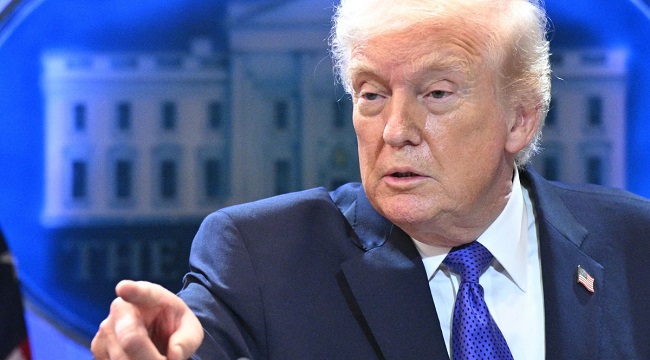
According to Reuters, US Vice President JD Vance had reportedly sent a letter to Iran’s security council chief seeking to revive negotiations.
Qatari mediators had also presented Tehran with a draft agreement intended to end the war involving the United States and Israel.
Iran indicated that diplomacy remained possible, although a senior Iranian official reportedly rejected the draft as unacceptable.
These developments created cautious optimism among some market participants. If negotiations lead to a durable agreement, the risk of further escalation could decline.
However, diplomatic contacts do not automatically guarantee a ceasefire or the restoration of normal energy flows.
The market therefore remains vulnerable to changes in official statements, military developments and the progress of negotiations.
Supply risks remain significant
The latest price movement does not mean that concerns about oil supplies have disappeared.
Reuters reported continued fears of intensifying Houthi attacks, including reported strikes targeting Saudi Arabia and Yemen, alongside speculation about possible future US action against Iran.
Such developments can affect expectations about regional security and the availability of crude oil.
The Middle East is central to global energy supply, and conflict in the region can influence production, shipping costs and insurance premiums.
Even when oil fields continue operating, disruptions to transport routes can complicate deliveries and increase costs for buyers.
Market participants are also monitoring production trends elsewhere.
Reuters reported that expectations of recovering Russian refinery activity and higher crude production weighed on prices. US inventory data provided a mixed picture: crude stocks fell by 1.9 million barrels, while gasoline inventories increased by 3.9 million barrels.
These factors show how prices reflect a combination of geopolitical risks, production expectations and demand conditions.
Implications for Nigeria
Changes in international oil prices matter to Nigeria because crude exports are an important source of foreign-exchange earnings and government revenue.
Higher prices can increase export income, depending on production volumes, contractual arrangements and other factors. However, they can also raise costs for countries and businesses that depend on imported refined petroleum products or energy-intensive inputs.
Lower prices can ease some costs for energy consumers, but a sustained decline may also affect government revenue and foreign-exchange inflows.
The impact on Nigerian fuel prices is not determined by international crude prices alone. Exchange rates, refining costs, distribution expenses, taxes and domestic market conditions also matter.
Businesses in transportation, aviation, manufacturing and logistics may be particularly sensitive to changes in energy costs.
What to watch next
Investors will continue to monitor developments in US-Iran diplomacy, regional security and official oil inventory data.
A credible agreement that reduces supply risks could put further downward pressure on prices. Conversely, renewed attacks or a breakdown in negotiations could quickly reverse the latest decline.
For now, the market is balancing cautious hopes for diplomacy against the possibility that conflict could intensify.