NATO has announced plans to strengthen surveillance in the Black Sea following a series of drone attacks on commercial shipping that have raised concerns about the safety of vessels operating in the region.
According to a Reuters report published on October 20, the alliance intends to deploy additional maritime patrol aircraft, radar systems and drones. The announcement followed a meeting of NATO’s North Atlantic Council at the organisation’s headquarters in Brussels.
The move comes amid continuing security tensions linked to Russia’s war in Ukraine.
The Black Sea is an important route for commercial shipping, including cargo movements connected with regional trade and Ukrainian exports. Attacks on vessels in or near the area can therefore affect ship operators, seafarers, insurers and businesses that depend on reliable maritime transport.
NATO’s announcement signals increased attention to monitoring threats, gathering intelligence and assessing the circumstances surrounding the reported incidents.
Recent attacks raise concerns over crew safety
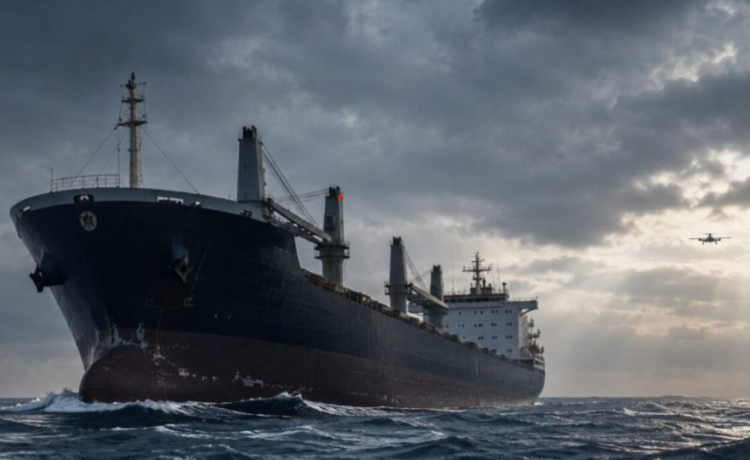
Reuters reported that seven sailors were missing after drones struck two chemical tankers near Romania’s Black Sea coast the previous week, setting the vessels ablaze.
The report also said at least five other cargo vessels had been hit near the coasts of Romania and neighbouring NATO member Bulgaria during the preceding 10 days. At least 23 sailors were reported missing or dead in connection with the incidents described.
These reports underline the risks faced by civilian crews operating in waters affected by military conflict.
Commercial ships are not designed to withstand attacks of this nature. Damage to a vessel can lead to fires, pollution, cargo loss and difficult rescue operations.
Chemical tankers can present additional environmental and safety concerns because of the substances they carry. An incident involving such a vessel may require specialised emergency response, depending on the cargo and the extent of the damage.
The reported attacks have increased pressure on regional authorities and international organisations to improve surveillance and protect maritime traffic.
NATO plans wider monitoring capabilities
Reuters reported that NATO members have sent or plan to send intelligence personnel and forensic teams to examine explosives connected with the attacks.
Such investigations can help authorities understand how incidents occurred, assess the types of weapons involved and identify patterns that may assist future security planning.
NATO spokesperson Allison Hart said the alliance had already strengthened its eastern flank, including through counter-drone capabilities.
However, NATO has not officially attributed the recent attacks to a specific country. Reuters noted that military analysts have pointed to Russia, while Moscow has not acknowledged responsibility for the incidents.
The distinction is important because identifying the party responsible requires evidence and official assessments rather than assumptions based solely on the wider conflict.
Additional patrols and surveillance may improve the ability to detect suspicious activity, but they cannot eliminate every threat to civilian shipping.
Implications for shipping companies and insurers
Security incidents can affect commercial shipping even when a vessel is not directly attacked.
Operators may need to review voyage plans, assess the risks associated with particular routes and consider whether additional security measures are necessary.
Insurance providers also monitor security conditions when evaluating maritime risks. A deteriorating security environment can affect insurance terms and the financial calculations behind commercial voyages.
For cargo owners, uncertainty can lead to changes in delivery schedules and logistical planning.
The effects may spread through supply chains if vessels are delayed, routes become more difficult to use or cargo needs to be transported through alternative arrangements.
The scale of any commercial impact will depend on how the security situation develops and how shipping operators respond.
The importance of protecting civilian maritime traffic
International maritime trade depends on ships being able to carry cargo without facing unlawful violence.
When commercial vessels are caught in conflict zones, the consequences extend beyond the immediate loss of a ship. Crew members can be injured or killed, cargo can be destroyed and marine environments can be damaged.
Protecting seafarers requires effective communication, incident reporting and cooperation among coastal states, naval forces and relevant maritime organisations.
It also requires careful distinction between military operations and civilian commercial activity.
The deployment of additional surveillance equipment may help authorities develop a clearer picture of threats in the Black Sea. For ship operators, timely and reliable security information remains important when making decisions about voyages.
What the development means for global maritime trade
The Black Sea situation demonstrates how geopolitical tensions can quickly become a shipping and supply-chain concern.
Commercial vessels depend on predictable access to maritime routes. When that access becomes uncertain, businesses may face additional risks and costs.
NATO’s planned deployment is intended to strengthen monitoring and preparedness. Its effectiveness will depend on the quality of intelligence, coordination between participating countries and the ability to respond to emerging threats.
Conclusion: NATO’s decision to reinforce Black Sea surveillance reflects growing concern about attacks on commercial shipping. As investigations continue, the priority remains protecting seafarers, improving maritime awareness and reducing the risks facing civilian vessels.