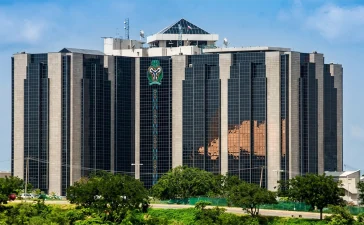
Nigeria’s gross external reserves have risen to $55.25 billion, marking the highest level recorded in more than 18 years, the Central Bank of Nigeria (CBN) has announced.
The figure was disclosed by CBN Governor Olayemi Cardoso following the Monetary Policy Committee’s meeting in Abuja on Tuesday, September 22, 2026.
According to the CBN, the reserve level as of September 18 is sufficient to finance approximately 11.3 months of imports of goods and services.
The increase in external reserves comes alongside improvements in Nigeria’s external-sector position and foreign exchange market conditions.
Current account surplus rises
The CBN also reported that Nigeria’s current account surplus increased by 67.92 per cent, rising from $4.49 billion in the first quarter of 2026 to $7.54 billion in the second quarter.
Similarly, the country’s balance of payments surplus increased from $2.38 billion in Q1 to $3.51 billion in Q2 2026.
The central bank said these developments reflected stronger external-sector fundamentals and improved investor confidence.
Cardoso attributed the rebuilding of the country’s external reserves partly to diaspora remittances, while also pointing to the CBN’s foreign exchange market reforms.
Foreign exchange pressures ease
The CBN governor said pressure in the foreign exchange market had receded significantly, with the country recording greater stability in the market.
The central bank has been working to improve the functioning of the foreign exchange market and reduce distortions associated with multiple exchange rates.
The improved reserve position provides the country with a larger buffer against external shocks and helps strengthen its ability to meet international payment obligations.
However, the reserve figure does not by itself mean that all economic pressures have disappeared. The CBN’s latest monetary policy communiqué identified geopolitical tensions, higher global energy prices and election-related spending as potential risks to inflation and economic stability.
CBN cuts interest rate
The reserve announcement came on the same day the CBN reduced the Monetary Policy Rate (MPR) from 26.5 per cent to 23 per cent.
The Monetary Policy Committee described the move as an operational reset intended to strengthen monetary policy transmission and align the benchmark rate more closely with prevailing market conditions.
The committee also retained the Cash Reserve Requirement for deposit money banks at 45 per cent, while merchant banks remain at 16 per cent.
Meanwhile, Nigeria’s headline inflation eased to 15.39 per cent in August 2026 from 15.43 per cent in July, while real GDP growth reached 4.43 per cent in the second quarter.
The CBN said it would continue to monitor developments in inflation, liquidity, foreign exchange and other economic indicators.
The latest reserve figures therefore represent another important development in Nigeria’s external finances, although the longer-term impact will depend on continued foreign exchange stability, export earnings, capital inflows and the country’s broader economic performance.