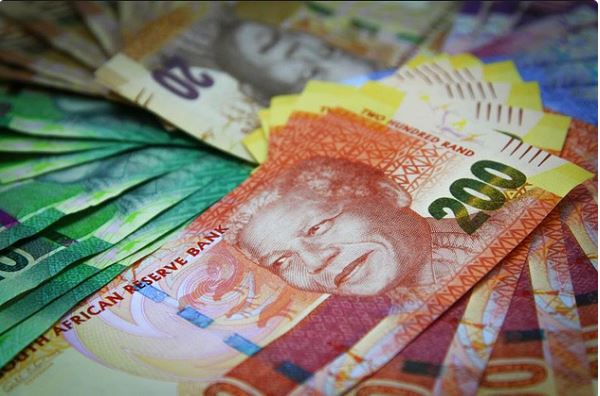
The South African rand weakened on Monday as renewed disruption to Middle Eastern oil supplies pushed crude prices higher, adding another external challenge for Africa’s most industrialised economy.
The currency edged lower in early trading while investors also prepared for this week’s monetary-policy decision from the US Federal Reserve.
The combination matters particularly for South Africa because the country is a significant importer of crude oil and refined petroleum products.
Higher international energy prices can increase South Africa’s import bill, place pressure on inflation and weigh on the rand.
Middle East Crisis Reaches African Markets
Oil prices have surged following attacks on energy infrastructure and shipping routes in the Middle East.
The disruption includes problems affecting Saudi Arabia’s strategic East-West pipeline and heightened instability around major maritime routes.
For African oil producers, higher crude prices can increase export earnings.
For importing economies such as South Africa, the effect can be much less favourable.
More expensive oil means the country must spend additional foreign currency to purchase energy.
That can worsen the trade balance and eventually feed into domestic fuel prices.
Rand Sensitive to Global Risk
The rand is also one of the world’s more actively traded emerging-market currencies.
That makes it particularly sensitive to shifts in international investor sentiment.
When global investors become concerned about inflation, geopolitical conflict or higher US interest rates, money can move towards assets perceived as safer.
Emerging-market currencies can weaken as a result.
Monday’s movement therefore reflects more than South African economic conditions.
It demonstrates how quickly a geopolitical crisis thousands of kilometres away can affect African financial markets.
Fed Decision Looms
Attention is now turning towards the US Federal Reserve.
Higher US interest rates typically make dollar-denominated assets more attractive, which can draw investment away from emerging markets.
For South Africa, that could place additional pressure on the rand.
The oil shock makes the Fed’s decision more complicated because higher energy prices can revive inflation even when other price pressures are easing.
Markets will consequently pay close attention not only to the Fed’s immediate rate decision but also to its guidance about future policy.
Fuel Prices Could Become Bigger Issue
If international crude prices remain above $100 for an extended period, the effects could eventually become more visible to South African households.
Higher fuel costs can raise transportation expenses and increase the cost of moving food and other goods around the country.
That can feed into consumer inflation.
It can also complicate the South African Reserve Bank’s own interest-rate decisions.
The rand’s movement on Monday may therefore appear relatively modest, but the underlying forces driving it are much larger.
South Africa is confronting the same challenge facing many oil-importing African economies: a global energy shock that can weaken currencies, raise inflation and reduce the room available to policymakers to support economic growth.