The global economy is facing renewed pressure as oil prices rise above $100 a barrel, increasing concerns about higher costs for households and businesses.
Brent crude, the international benchmark, moved above $100 on Wednesday for the first time in six weeks. The increase has been linked to escalating fighting between the United States and Iran and attacks on energy infrastructure in the Middle East.
The increase in oil prices is important because energy is used across almost every part of the economy. Higher fuel costs can make transportation more expensive, while manufacturers may have to spend more on moving goods and operating machinery.
Businesses may eventually pass some of these additional costs on to consumers by increasing the prices of their products and services. This could make everyday goods more expensive and put additional pressure on household budgets.
The International Energy Agency has warned that the current disruption to global oil markets could have increasingly serious economic consequences if the conflict continues. The agency has already highlighted measures governments, businesses and households can take to reduce fuel consumption and limit the impact of the crisis.
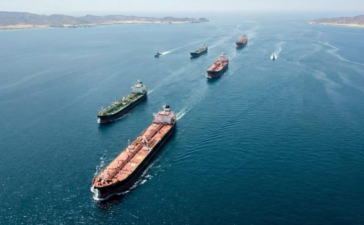
The situation is particularly challenging because millions of barrels of oil supply remain disrupted. Reuters estimates that around 10 million barrels per day, or roughly 10% of global oil demand, are currently missing from the market because of the conflict and disruptions around the Strait of Hormuz.
Higher energy prices can also create problems for central banks. When fuel, transportation and production costs increase, inflation can rise. Central banks may then be forced to keep interest rates higher for longer or consider further increases.
For businesses, higher borrowing costs combined with expensive energy can make it harder to invest, expand operations or hire additional workers. Small businesses may be particularly vulnerable because they often have less financial room to absorb sudden increases in operating expenses.
Consumers can also feel the impact through higher petrol and diesel prices, more expensive transportation and increased prices for goods that depend heavily on fuel for production or delivery.
The pressure is already being reflected in financial markets. U.S. stocks fell on Wednesday as investors reacted to rising oil prices and concerns about inflation.
The longer oil prices remain above $100, the greater the potential impact on the global economy. Analysts warn that continued supply disruptions could keep energy prices high and make the current inflation problem more difficult for governments and central banks to manage.
For now, businesses and consumers will be watching developments in the Middle East closely, particularly the situation around the Strait of Hormuz, as any further disruption could push energy prices even higher.