The Tragedy in Nana-Mambéré
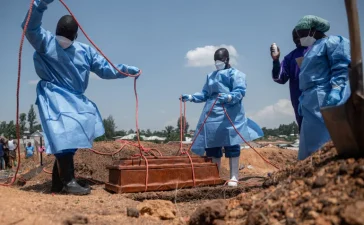
The western region of the Central African Republic was struck by a severe disaster following the structural failure of a low-tech, artisanal gold mine in the Abba region of the Nana-Mambéré prefecture. Emergency responders, local community members, and surviving workers confirmed that at least 30 miners lost their lives, while numerous others remained trapped beneath heavy earth and rock formations.
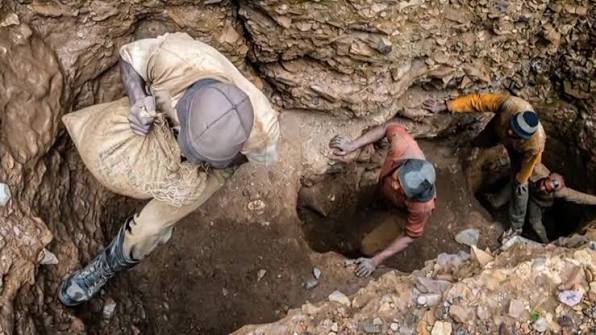
The disaster unfolded rapidly during morning extraction activities when subterranean support structures failed without warning, burying workers beneath tons of soil and debris. Local residents and community members mobilized emergency rescue efforts manually, attempting to clear heavy earth with shovels and bare hands because specialized heavy excavation equipment was unavailable in the remote region. Local leadership issued an urgent appeal for emergency assistance, medical supplies, and heavy machinery to support retrieval efforts and treat injured survivors pulled from the pit.
The Dangers of Informal Mining
Artisanal mining operations across the Central African Republic provide critical subsistence income for tens of thousands of rural citizens, yet they operate largely outside formal safety, engineering, and environmental frameworks. Workers routinely dig deep, unreinforced pits and subterranean shafts without proper timbering, personal protective equipment, or geological risk assessments. Heavy seasonal rainfall often destabilizes fragile soil layers, drastically increasing the likelihood of catastrophic cave-ins.
Civil society organizations and regional human rights advocates have repeatedly urged authorities to implement rigorous safety guidelines, establish formal equipment standards, and offer technical training to informal mining cooperatives. However, regulatory enforcement remains severely constrained due to geographical isolation, limited administrative reach, and ongoing security challenges across regional provinces. The tragedy in Nana-Mambéré underscores the urgent necessity of balancing economic livelihoods with enforceable labor safety protocols across Africa’s informal mining sectors.
Long-Term Solutions and Safety Frameworks
To prevent similar human tragedies, structural reform must extend beyond reactive emergency responses. Technical experts advocate for the formalization of the artisanal mining sector, which would allow informal workers to register as recognized cooperatives, access micro-finance for safety equipment, and receive standard training on pit stability and hazard management.
Furthermore, international supply chains face mounting pressure to ensure that minerals imported from Central Africa adhere to ethical sourcing guidelines that prioritize human life and worker safety over rapid extraction. Establishing localized oversight committees composed of regional leaders, geologists, and worker representatives could bridge the gap between national policy and rural execution, ensuring that safety protocols are actively enforced in remote extraction zones.