The Democratic Republic of Congo is facing its deadliest Ebola outbreak in history, with thousands of infections and more than 2,300 reported deaths recorded as health authorities struggle to contain the spread of the disease.
The outbreak has created a major public health emergency and placed enormous pressure on hospitals, healthcare workers and communities in affected parts of the country.
The crisis is particularly concerning because the outbreak involves the Bundibugyo strain of Ebola, which presents additional challenges for researchers and health officials.
Cases continue to rise
Health authorities have recorded thousands of confirmed Ebola cases during the outbreak.
The number of deaths has also continued to increase, raising concerns that the disease could spread further if infections are not identified quickly.
Ebola is a highly infectious and potentially fatal disease.
Early symptoms can include fever, weakness, muscle pain and sore throat before developing into more serious symptoms.
Rapid identification and treatment can significantly improve the chances of survival.
However, many communities affected by the outbreak face limited access to healthcare.
People living in remote areas may have to travel long distances before reaching medical facilities.
This can delay diagnosis and treatment while increasing the risk of transmission.
Healthcare workers under pressure
Healthcare workers are at the centre of the response.
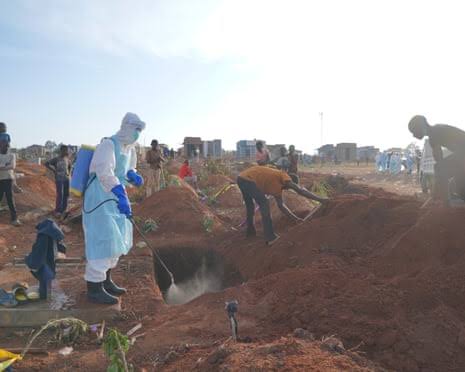
Doctors, nurses, laboratory technicians and community health workers are working to identify infections, isolate patients and trace people who may have been exposed to the virus.
However, responding to Ebola requires extensive protective equipment, specialised training and reliable medical infrastructure.
Healthcare workers must also protect themselves from infection while caring for patients.
The scale of the current outbreak has placed additional pressure on already limited resources.
Insecurity complicates response
The Ebola outbreak is also taking place against the backdrop of insecurity in parts of eastern Congo.
Conflict and displacement have made it more difficult for medical teams to reach some communities.
People who have been displaced by violence may move between locations, making contact tracing and disease surveillance more challenging.
Insecurity can also prevent humanitarian organisations from operating freely.
Without reliable access to affected communities, health officials may struggle to identify cases before infected people come into contact with others.
Misinformation remains a major challenge
Public trust is another critical part of the response.
Ebola outbreaks can create fear and uncertainty.
When communities do not trust health authorities, people may delay seeking medical treatment or refuse to cooperate with contact-tracing teams.
Misinformation can make the situation worse.
Some residents may believe false claims about the disease or treatment centres.
Health authorities therefore need to communicate clearly with communities.
Local leaders, religious organisations and community health workers can play an important role in building trust.
People are more likely to follow health guidance when information comes from individuals and organisations they already know and trust.
Race to develop vaccines and treatments
The lack of an approved vaccine specifically targeting the Bundibugyo strain has increased pressure on researchers.
Scientists are studying potential vaccines and treatments that could help protect communities and reduce fatalities.
Researchers are also examining whether vaccines developed against other Ebola strains may provide some level of protection.
The development of an effective vaccine could significantly strengthen efforts to contain the outbreak.
However, research and approval processes take time.
Until more effective tools become available, health authorities must rely heavily on early detection, isolation, contact tracing, infection prevention and community engagement.
International response increases
International health organisations have joined Congolese authorities in responding to the crisis.
Support is being directed towards disease surveillance, laboratory testing, treatment centres and community awareness.
The scale of the outbreak means that sustained international assistance will likely be required.
Funding is particularly important because Ebola responses require specialised equipment, transportation and trained personnel.
Health authorities also need resources to support affected families and communities.
Wider implications for Africa
The crisis extends beyond the borders of the Democratic Republic of Congo.
Modern travel and population movement mean infectious diseases can spread between countries quickly.
This makes early containment particularly important.
Neighbouring countries are expected to strengthen surveillance and preparedness measures as health authorities work to prevent cross-border transmission.
The outbreak is also a reminder of the importance of strong healthcare systems.
Countries with adequate disease surveillance and emergency response capabilities are better positioned to identify outbreaks before they become national emergencies.
A race against time
The DR Congo Ebola outbreak has become a race against time.
Health officials must identify cases, protect healthcare workers, reach vulnerable communities and prevent further transmission.
At the same time, researchers must continue working on vaccines and treatments capable of addressing the specific strain responsible for the current crisis.
For affected communities, the outbreak represents far more than a public health statistic.
Families have lost loved ones, healthcare workers are under immense pressure and communities are living with fear and uncertainty.
The coming weeks will be crucial.
A coordinated response involving the Congolese government, international health organisations, local communities and researchers will be essential to bringing the outbreak under control.