Health officials in Senegal have reported a decline in patient attendance at some HIV treatment centres following a wave of arrests targeting LGBTQ individuals, raising concerns about setbacks in the country’s efforts to control the virus.
According to government data reviewed by Reuters and statements from health authorities, fear of arrest and stigma is driving some patients away from life-saving antiretroviral therapy, which both treats HIV and prevents its transmission.
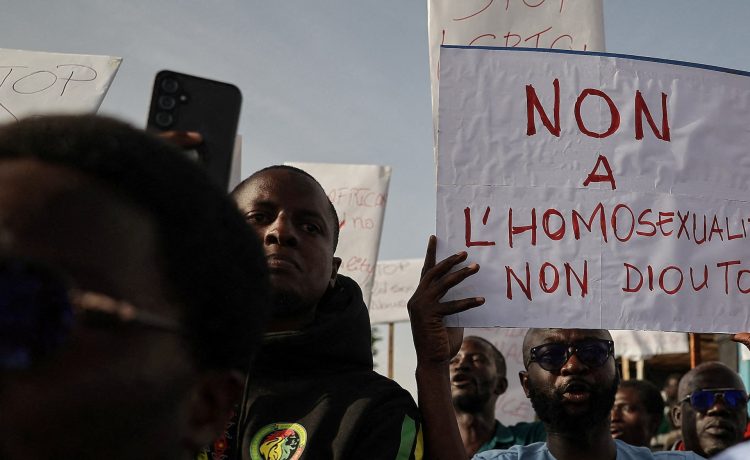
The developments come after Senegal, where homosexuality is illegal, significantly toughened its laws last month. The government doubled the maximum prison sentence for same-sex sexual acts to 10 years and criminalised what it described as any promotion of LGBTQ identities. Fines were also increased to as much as 10 million CFA francs (about $18,000).
Authorities have reportedly carried out a widespread crackdown since early February, during which an estimated 86 people have been arrested, including 18 individuals detained in a single raid in Linguere in April. Two convictions have already been secured under the new legislation.
Those arrested have been charged under “acts against nature” provisions, with some also accused of intentionally transmitting HIV—allegations health experts warn could further deepen stigma and discourage testing and treatment.
Data from Senegal’s National Council for the Fight Against AIDS (CNLS) indicates that patients are increasingly avoiding treatment centres, fearing exposure, harassment, or prosecution. Health officials say this trend risks undermining years of progress in controlling HIV in the country.
Dr Safiatou Thiam, executive director of CNLS and former health minister, warned that the crackdown is already affecting public health outreach efforts. She noted that confidentiality breaches, including media reports publishing the names and HIV status of arrested individuals, are exacerbating fears among vulnerable groups.
“We certainly fear, and this has been confirmed, that this wave of arrests will have repercussions for our work,” she said.
Senegal is one of only four countries in West and Central Africa where new HIV infections have recently risen, according to UNAIDS data, making continued access to treatment critical for public health stability.
Human rights groups argue that the legal changes and enforcement actions risk pushing at-risk populations underground, making HIV prevention and treatment significantly more difficult.
Government officials, police representatives, and lawmakers involved in the legislation have not publicly responded to requests for comment.