The Federal Government has disclosed that Nigeria spends about $6bn annually on imported clothing, highlighting persistent challenges facing the country’s textile and garment industry.
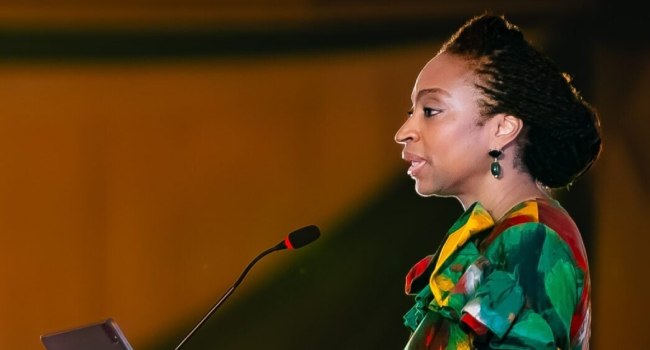
Minister of Industry, Trade and Investment, Olajumoke Oduwole, revealed this while speaking to journalists in Abuja, noting that the sector continues to struggle with high import volumes, weak infrastructure, and trade malpractices.
According to the minister, these challenges have significantly limited domestic production capacity, with smuggling and porous borders further undermining local manufacturers.
She added that more than 90 per cent of widely used fabrics in Nigeria, including Ankara, are imported, underscoring the country’s heavy dependence on foreign textile products.
Oduwole made the remarks during the commissioning of a garment factory and the unveiling of a new fashion brand, where she urged industry stakeholders to focus on export opportunities as a pathway to growth.
She reaffirmed the government’s commitment to supporting the textile sector through policies aimed at boosting local production, creating jobs, and driving economic expansion.
Speaking at the event, Omobolanle Olawale, founder of Mo’Afrique, described the launch of the new factory and brand as a major milestone for the country’s garment industry.
She said the investment demonstrates a strong commitment to revitalising Nigeria’s textile sector and positioning it for both local competitiveness and international markets.
Industry analysts say addressing structural bottlenecks such as infrastructure deficits and illegal imports will be critical to reducing reliance on foreign clothing and unlocking the sector’s full economic potential.