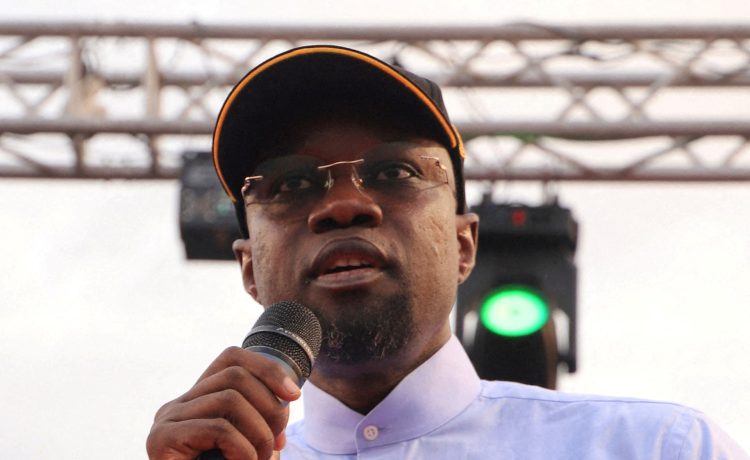
Senegal’s National Assembly has overwhelmingly approved amendments to the country’s electoral code that could clear the way for Prime Minister Ousmane Sonko to contest the 2029 presidential election.
The reforms, passed on Tuesday under an emergency procedure criticised by opposition lawmakers, were adopted by a strong parliamentary majority controlled by Sonko’s Pastef party, with 128 votes in favour, 11 against, and two abstentions.
The changes modify provisions that previously disqualified Sonko from running for office following a conviction, a ruling that had barred him from the 2024 presidential race.
That earlier exclusion led to the emergence of his political ally, Bassirou Diomaye Faye, who went on to win the presidency after being widely viewed as Sonko’s preferred successor.
Since taking office, however, political observers say tensions have surfaced between Faye and Sonko, fuelling speculation that the prime minister may seek the presidency himself in 2029.
The newly adopted amendments are seen as potentially removing key legal obstacles that could have prevented Sonko from standing in future elections.
The bill now awaits presidential approval before it can become law. It may also face legal challenges at the Constitutional Council if opposition parties proceed with a constitutional review.
In parallel, the presidency has released broader draft reforms covering the constitution, electoral code, political parties, and the constitutional court for public consultation ahead of cabinet deliberations.
Critics of the process argue that the use of emergency legislative procedures undermines transparency, while supporters say the reforms are necessary to modernise Senegal’s political and electoral framework.
The developments mark a significant moment in Senegal’s evolving political landscape, with attention now focused on how the reforms will reshape future electoral competition.