Diplomatic activity across the Middle East has intensified as regional leaders and international envoys engage in renewed talks aimed at addressing ongoing conflicts in Sudan, Lebanon, and wider regional tensions.
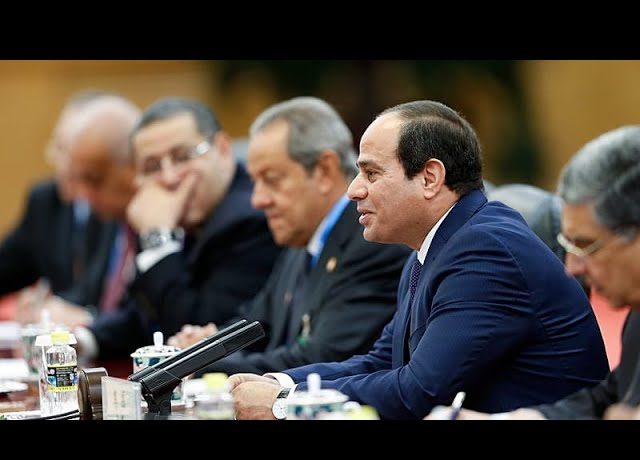
Egyptian President Abdel Fattah el-Sisi met in Cairo with US envoy Massad Boulos to discuss developments in Sudan and Lebanon. During the meeting, el-Sisi praised US President Donald Trump for his efforts to broker a ceasefire between Israel and Hezbollah.
The discussions come at a sensitive time, as competing diplomatic and military developments are reshaping the regional landscape.
Shortly after Trump announced plans for renewed negotiations with Iran, US forces seized an Iranian-flagged cargo vessel near the Strait of Hormuz, a move that has further strained relations between Washington and Tehran.
Iran condemned the seizure as “piracy” and signaled that it may not participate in upcoming negotiations with the United States, raising uncertainty over the continuation of diplomatic efforts.
The Strait of Hormuz, a critical global oil shipping route, remains a focal point of geopolitical tension due to its strategic importance in international energy trade.
Meanwhile, Israel confirmed that it is holding another round of discussions with Lebanon, reflecting continued efforts to manage tensions along the northern frontier.
The talks are part of broader diplomatic engagement aimed at reducing hostilities and stabilising security conditions in the region.
Despite these parallel efforts, analysts say recent developments—particularly the maritime confrontation involving Iran—could complicate or delay planned negotiations between key parties.
As regional diplomacy unfolds on multiple fronts, attention now turns to whether ongoing talks can withstand rising tensions and produce concrete progress in the coming days.