Tensions between the United States and Iran escalated on Tuesday as both nations warned they were prepared for war while a fragile ceasefire approached its expiration.
The truce, brokered after weeks of intense fighting across the Middle East, is set to expire soon, raising fears that hostilities could resume if diplomatic efforts fail.
The White House said JD Vance was ready to return to Islamabad for a second round of negotiations aimed at ending the conflict. The talks were earlier announced by Donald Trump as part of efforts to de-escalate the war that has shaken global markets and threatened oil supply routes.
However, Tehran has yet to confirm its participation in the negotiations and accused Washington of undermining the ceasefire.
Iran’s parliament speaker, Mohammad Bagher Ghalibaf, said the United States had violated the truce by enforcing a naval blockade on Iranian ports and seizing a vessel.
“By imposing a blockade and violating the ceasefire, Trump wants to turn this negotiating table into a surrender table or justify renewed hostilities,” Ghalibaf wrote on social media.
He added that Iran would not negotiate under threats and had been preparing new military strategies over the past two weeks.
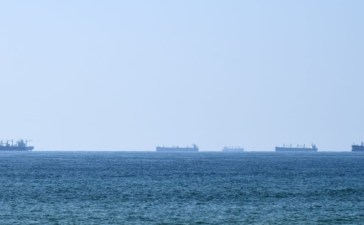
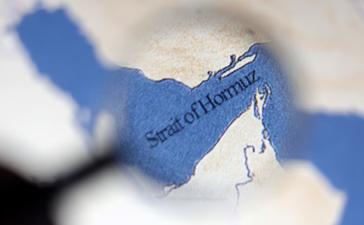
The warning came as Iran’s powerful Islamic Revolutionary Guard Corps threatened to target any ship attempting to pass through the vital Strait of Hormuz without authorization.
The strategic channel carries roughly a fifth of the world’s oil shipments and typically sees about 120 vessels transit daily during peacetime, according to shipping intelligence site Lloyd’s List.
Washington has also accused Tehran of breaching the ceasefire by harassing commercial ships in the waterway, which Iran partially closed earlier in retaliation for military strikes launched by the United States and Israel on February 28.
Despite the standoff, Trump insisted the naval blockade was severely damaging Iran’s economy and would remain in place until a deal was reached.
“Iran was supposed to be at the talks,” Trump said, warning that if the ceasefire collapses, “lots of bombs start going off.”
He also indicated it was “highly unlikely” that the two-week truce would be extended.
Global markets, however, showed cautious optimism. Oil prices declined slightly on Tuesday while stock markets rose on hopes that diplomacy might reopen the Strait of Hormuz and stabilize energy supplies.
In Tehran, daily life has partially resumed during the ceasefire, but residents say uncertainty remains high.
A doctor in the Iranian capital said people were anxiously waiting to see whether the truce would hold, while another resident described the economic situation as “horrible” amid the war and government pressure.
Meanwhile, a separate ceasefire between Israel and Lebanon involving the Iran-backed militant group Hezbollah remains fragile.
Diplomats from Israel and Lebanon are expected to hold a second round of talks in Washington later this week in a bid to stabilize the northern front of the conflict.
The United Nations Security Council also condemned the killing of a French peacekeeper serving with the United Nations Interim Force in Lebanon after his convoy was ambushed over the weekend.
Another sticking point in US-Iran negotiations remains Tehran’s stockpile of enriched uranium.
Trump said recovering the material would be difficult following last year’s US strikes on Iran’s nuclear facilities, while Iran’s foreign ministry insisted the uranium would not be transferred abroad and said the issue had never been formally raised in negotiations.
As the ceasefire clock ticks down, the prospect of renewed conflict continues to hang over the region and global markets alike.