Cocoa farmers across Ivory Coast say rainfall levels remained below average in several key growing regions last week, raising concerns about the quality of beans for the ongoing March-to-August mid-crop season.
The country, which is the world’s largest cocoa producer, is currently in its rainy season, typically running from April to mid-November. However, farmers say inconsistent precipitation patterns are affecting pod development and bean quality in some areas.
While current conditions have not significantly threatened cocoa trees—many of which are producing a mix of small, medium, and large pods—farmers say more sustained rainfall is needed to ensure optimal growth during the critical mid-crop period.
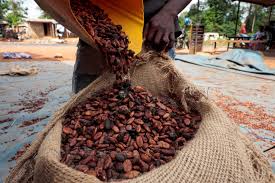
In west-central Daloa and central regions including Bongouanou and Yamoussoukro, rainfall was below seasonal averages last week. Despite this, farmers noted that high temperatures were helping harvested beans dry effectively.
Albert N’Zue, a farmer near Daloa, said conditions remain hot but insufficient for crop development.
“It’s very hot. The beans are well dried, but the trees need enough rain for the rest of the mid-crop season,” he said, noting that the area recorded about 9.7 millimetres of rainfall—below the five-year average.
In contrast, western Soubre and eastern Abengourou experienced above-average rainfall, while southern regions such as Agboville and Divo recorded below-average levels. Farmers in these areas emphasised the need for consistent and evenly distributed rainfall to support bean growth inside developing pods.
Kouassi Kouame, a farmer near Soubre, said steady rain is essential for producing high-quality cocoa.
“We need plenty of steady rain to grow large, high-quality beans,” he said, citing rainfall of 28.6 millimetres in the region, slightly above the seasonal average.
Despite regional variation, farmers reported that harvesting activity is gradually increasing, with most cocoa pods expected to be collected between May and July.
Weekly temperatures across Ivory Coast ranged between 29°C and 33.2°C, conditions that farmers say are contributing to rapid drying of harvested beans but also increasing the need for more rainfall to sustain tree productivity.
Ivory Coast’s cocoa output remains closely watched by global markets, as weather patterns in the country significantly influence international cocoa supply and pricing.