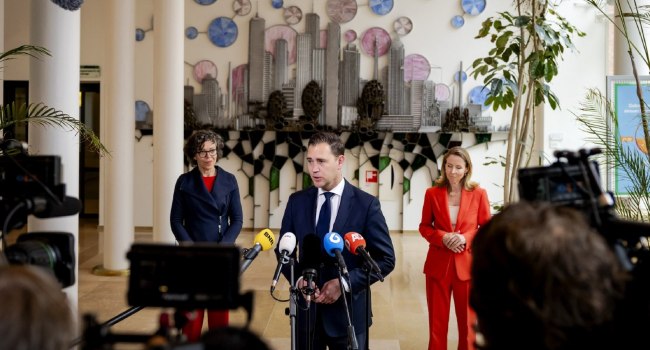
The Netherlands government has announced a relief package worth more than €950 million ($1.1 billion) to support households and businesses affected by rising fuel prices following the escalation of the war between the United States and Iran.
In a statement issued on Monday, the Dutch government said energy prices are expected to remain elevated for the foreseeable future, even if the Middle East conflict ends soon.
“Energy prices are expected to remain high for the time being, even if the conflict in the Middle East should end soon,” the government said.
It added that households and businesses are already feeling the impact of the price surge and will be the primary beneficiaries of the first support package worth €627 million.
A further €340 million will be provided through reductions in business-related charges, with the cost offset by increased taxes on other goods, particularly alcohol.
The announcement comes as the government activated the first phase of its national crisis plan in response to potential fuel shortages linked to disruptions in global oil supply routes.
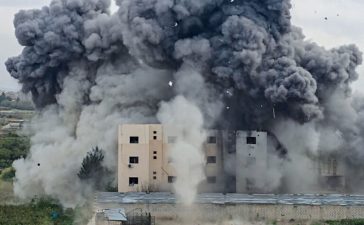
The ongoing blockade of the Strait of Hormuz has restricted Gulf oil shipments since the conflict erupted in late February, contributing to sharp increases in global oil and gas prices.
While authorities said there are currently no “acute” fuel shortages in the Netherlands, they warned that contingency measures are being prepared in case the situation worsens.
“The government is mobilising relevant agencies and industry stakeholders in case the situation deteriorates,” the statement added.
The Strait of Hormuz remains one of the world’s most critical energy transit points, and continued disruption has raised concerns across global markets and energy-importing countries.
The Dutch government’s intervention reflects wider European concerns over energy security and inflationary pressure driven by geopolitical instability in major oil-producing regions.
Officials say the crisis response framework will allow for rapid action if supply conditions deteriorate further in the coming weeks.