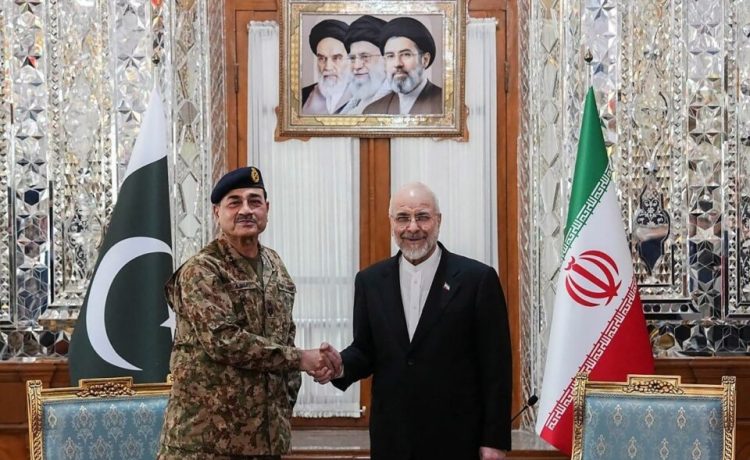
Iran has stated that it is not currently planning to attend talks with the United States, according to state media reports, as tensions between the two countries escalate over military actions and a naval blockade in the Middle East.
The announcement comes amid rising friction between Tehran and Washington, including reports of maritime confrontations in strategic waters and renewed threats of retaliation.
Iranian state broadcaster IRIB reported on Sunday that “there are currently no plans to participate in the next round of Iran-US talks,” signalling a setback for ongoing diplomatic efforts.
Other Iranian media outlets, including Fars News Agency and Tasnim News Agency, cited unnamed sources as saying that the atmosphere for negotiations “cannot be assessed as very positive,” adding that the lifting of a US naval blockade remains a key condition for any resumption of talks.
State-run IRNA also pointed to what it described as “unreasonable and unrealistic demands” from Washington, saying there is currently no clear path to meaningful negotiations.
The diplomatic breakdown comes as Iran, the United States, and Israel approach the expiration of a fragile ceasefire that temporarily halted recent hostilities in the Middle East.
Tensions intensified after the administration of Donald Trump ordered a naval blockade targeting Iranian ports, aimed at restricting Tehran’s oil exports and applying economic pressure.
According to reports, a US destroyer intercepted and seized an Iranian-flagged vessel named Touska after it allegedly attempted to evade the blockade. Trump claimed the ship was previously sanctioned for illegal activity and said US Marines had taken control of it.
Iranian authorities condemned the incident, with officials describing it as “armed piracy” and warning of imminent retaliation.
The Iranian armed forces reportedly deployed drones toward US military vessels following the seizure, according to Tasnim News Agency, although these claims have not been independently verified.
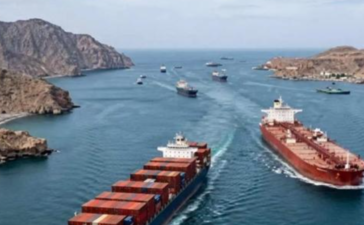
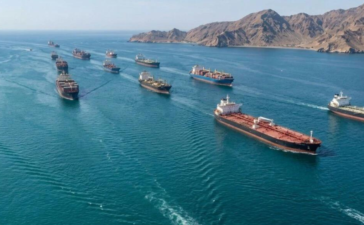
The situation has been further complicated by Iran’s strategic move to intermittently restrict access through the Strait of Hormuz, a critical global shipping route responsible for transporting roughly a fifth of the world’s oil and liquefied natural gas.
Tehran has argued that the US blockade constitutes a violation of international norms and amounts to collective punishment, while Washington insists the measures are necessary to disrupt illicit oil trade and pressure Iran economically.
The United States maintains that its operations are aimed at curbing sanctions evasion and destabilising maritime activities, though legal experts and analysts have raised concerns about the escalation of military force in international waters.
Despite diplomatic uncertainty, reports indicate that the United States continues to prepare for renewed talks, with senior officials expected to arrive in Pakistan for discussions previously held in Islamabad.
However, Iranian officials have maintained that key preconditions, including the lifting of the blockade and respect for Iran’s sovereignty over its nuclear materials, must be met before any further negotiations can proceed.
The dispute over Iran’s enriched uranium stockpile remains a central sticking point, with Tehran rejecting US demands for its transfer and insisting it will remain under Iranian control.
As military tensions, economic pressure, and diplomatic breakdowns converge, fears are growing over the stability of the region and the security of global energy supplies passing through one of the world’s most vital maritime corridors.