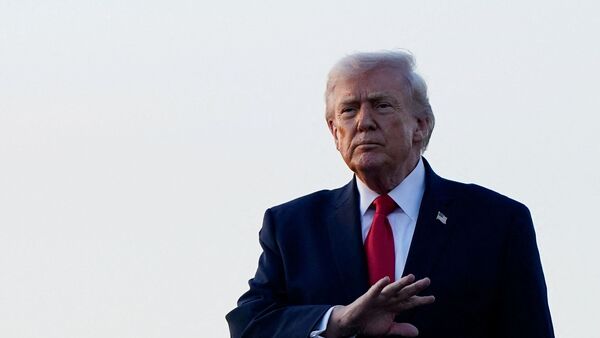
U.S. President Donald Trump has insisted that the ceasefire with Iran remains intact, even after a new exchange of fire in the Strait of Hormuz involving American warships and Iranian forces.
The U.S. military said Iranian forces launched missiles, drones, and small boats targeting three American destroyers, but claimed none of the vessels were hit. It added that it intercepted the threats and struck Iranian military targets in response.
However, Iranian authorities accused Washington of initiating the confrontation, alleging that U.S. forces first targeted an oil tanker and another vessel before Tehran responded.
The renewed clashes have raised concerns about the stability of a fragile ceasefire that has been in place since April 8, following weeks of intense U.S.–Israeli strikes on Iran and retaliatory attacks across the Middle East.
According to the United States Central Command (CENTCOM), Iranian forces launched coordinated attacks involving missiles, drones, and small boats, which were intercepted before reaching U.S. naval assets.
CENTCOM stated that it “does not seek escalation but remains positioned and ready to protect American forces.”
Iran’s military command, however, said its forces acted in retaliation, insisting that the United States had violated the ceasefire first.
The escalation also coincided with renewed regional tensions, as the United Arab Emirates reported that its air defence systems were intercepting missiles and drones originating from Iranian positions.
Despite the clashes, Trump maintained that the ceasefire was still holding.
“They trifled with us today. We blew them away,” he said, adding that further aggression would be met with stronger retaliation if Tehran failed to reach a deal quickly.
Iranian officials said they were preparing their formal position for mediation through Pakistan, which has been acting as a diplomatic channel.
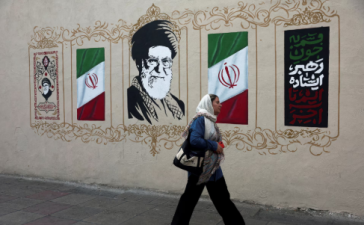
Inside Iran, public sentiment appeared divided, with some citizens expressing scepticism about the possibility of a lasting agreement.
Observers say the conflict has already had wider regional implications, including increased instability in Lebanon, where tensions between Israel and Hezbollah have escalated again.
The International Maritime Organization also warned that nearly 1,500 ships and about 20,000 crew members remain stranded in the Gulf due to ongoing insecurity around the Strait of Hormuz.
The crisis began after joint U.S.–Israeli strikes on Iran on February 28, which triggered a cycle of retaliation and eventually led to the current fragile ceasefire.
While diplomatic efforts continue, both sides have signalled readiness for further confrontation if talks collapse, leaving the region on edge.