Ivory Coast’s Coffee and Cocoa Council has announced plans to send officials to the country’s centre-eastern region to calm tensions among cocoa farmers protesting over unsold cocoa stocks and delayed payments.
The move follows demonstrations last week in the town of M’Batto, where police reportedly used tear gas to disperse dozens of farmers who blocked roads while demanding payment for cocoa sold during the main crop season.
According to a source close to the Coffee and Cocoa Council, the council intends to engage farmers directly amid growing concerns that unsold cocoa beans are deteriorating despite earlier assurances that the agency would purchase the stock.
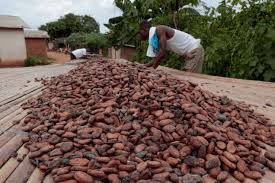
Farmers and cooperatives told Reuters on Tuesday that many producers have yet to receive payment for cocoa delivered during the October-to-March main crop season.
The situation has fuelled frustration and discouragement among growers, raising fears that the next harvest could be negatively affected.
The CCC and the country’s agriculture ministry were not immediately available for comment.
Unsold cocoa stocks reportedly accumulated between November and December after global cocoa prices dropped sharply below local prices fixed twice yearly by the council.
Although the government later introduced a programme to purchase the unsold beans, many farmers say payments remain outstanding.
In the centre-western region of Daloa, the head of a cooperative representing more than 300 farmers disclosed that the group still holds around 150 metric tons of unsold cocoa from the main crop.
The cooperative leader said prolonged payment delays had left farmers demoralised and distrustful of the system, while some lacked funds for medical treatment and plantation maintenance.
“This situation will affect the next harvest because growers were counting on a lot of money to maintain their plantations,” said Albert Konan.
A Europe-based cocoa trader said the issue had not yet disrupted global supplies or prices because the problem remained localised.
However, the trader warned that unresolved tensions could affect next season’s output if farmers choose to withhold cocoa supplies.
In the western regions of Soubre and Duekoue, several farmers said they had resorted to selling cocoa harvested during the main crop season at the lower mid-crop price of 1,300 CFA francs per kilogram instead of the official main crop price of 2,800 CFA francs.
“We can’t get the main crop price of 2,800 francs per kilogram. Instead, the beans from the main crop are going bad, so I sold them for 1,300 francs per kilogram,” said Salif Kone.
The growing crisis has raised concerns over the stability of cocoa production in the world’s largest cocoa-producing nation, especially as farmers struggle with falling incomes, deteriorating stock, and uncertainty ahead of the next production cycle.