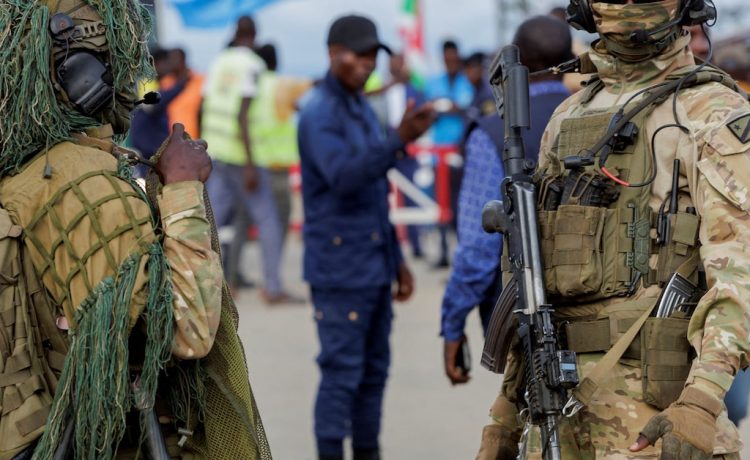
The AFC/M23 has withdrawn from several key positions in eastern Democratic Republic of the Congo’s South Kivu province, marking the first significant battlefield movement in months, according to the Congolese army and rebel sources.
A spokesperson for the Congolese army said the withdrawal followed sustained military pressure from government forces as well as diplomatic pressure from the United States.
The development represents the most notable shift in frontline positions since the rebels briefly seized the city of Uvira in December before pulling back under international pressure.
It comes two weeks after Washington imposed sanctions on former Congolese president Joseph Kabila over alleged links to the rebel group, allegations he has denied.
According to military and rebel sources, AFC/M23 fighters have moved from Kabunambo, about 35 kilometres north of Uvira, to Luvungi, roughly 30 kilometres further north toward Bukavu, where they were previously stationed.
The Congolese army said families displaced by last year’s fighting have begun returning from neighbouring Burundi, signalling a cautious easing of tensions in some affected areas.
Despite ongoing mediation efforts led by the United States and other international actors, violence in eastern Congo has continued, underscoring the fragility of peace initiatives in the region.
In a letter addressed to U.S. Secretary of State Marco Rubio and circulated publicly, AFC/M23 political coordinator Corneille Nangaa accused Washington of lacking credibility as a mediator, citing a minerals partnership agreement between the US and Kinshasa.
The United States Department of State did not immediately respond to requests for comment.
Meanwhile, Rwanda has repeatedly denied allegations from the United Nations and Western governments that it supports the rebel group.
The latest movements highlight the fluid and volatile nature of the conflict in eastern DR Congo, where armed groups continue to compete for territory despite ongoing diplomatic and military interventions.