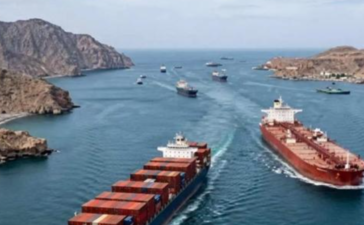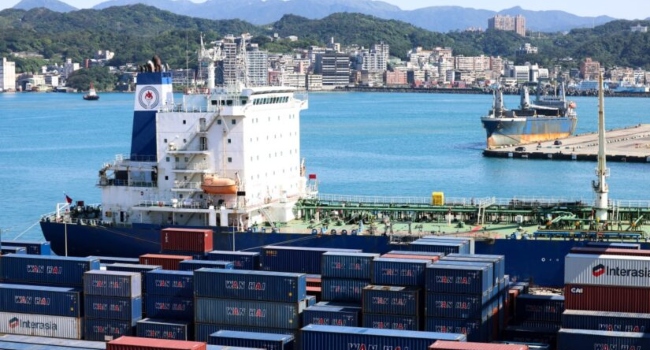
Tensions in the Middle East escalated sharply on Wednesday after Iranian gunboats attacked at least one container ship in the Strait of Hormuz, even as the United States President Donald Trump announced an extension of a ceasefire intended to allow more time for peace talks.
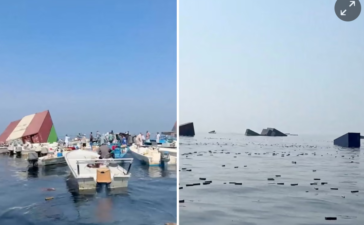
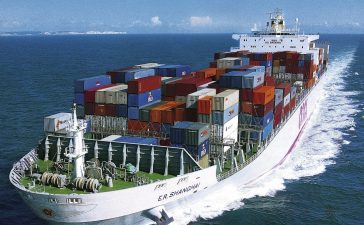
The UK Maritime Trade Operations (UKMTO) said a container ship reported being fired upon by a vessel linked to Iran’s Revolutionary Guards approximately 15 nautical miles northeast of Oman, near the entrance to the strategic waterway. The attack caused damage to the ship’s bridge, though no casualties were reported.
Iran’s semi-official Tasnim News Agency said the vessel had ignored warnings from Iranian armed forces, which it said were enforcing a blockade of the strait. However, maritime security firm Vanguard Tech said the ship, sailing under a Liberian flag, had been cleared for transit.
In a separate incident, UKMTO reported that another container ship, identified by Vanguard Tech as the Panama-flagged vessel Euphoria, was fired upon eight nautical miles west of the Iranian coast and forced to stop in the water. The attackers were not immediately identified.
The Strait of Hormuz, a vital global shipping route, carries about a fifth of the world’s oil and gas exports under normal conditions, making it one of the most strategically important chokepoints in global trade.
The United States Navy has reportedly intensified efforts to monitor and block vessels linked to Iranian ports, while Tehran insists ships must seek permission before entering or leaving Gulf waters.
The US Department of Defense said its forces recently intercepted and boarded a “stateless sanctioned” vessel believed to be linked to Iranian activity, as both sides continue to accuse each other of violating the ceasefire.
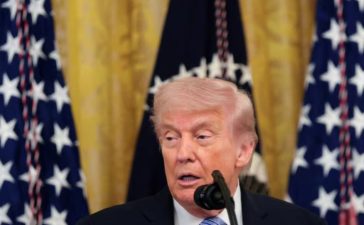
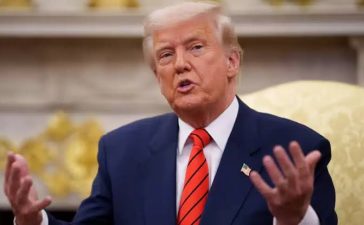
President Trump had earlier extended the ceasefire after mediation efforts by Pakistan, saying Iran’s leadership needed more time to present a proposal amid what he described as internal divisions.
Despite the extension, Trump confirmed that the US blockade of Iranian ports would remain in place.
The fragile truce has provided only limited relief to a region already destabilised by weeks of conflict following joint US–Israeli strikes on Iran.
Diplomatic efforts remain uncertain. A White House official confirmed Vice President JD Vance would not travel to upcoming talks in Islamabad unless Iran submits a formal proposal.
Iran has signalled reluctance to attend negotiations, while insisting it has not committed to sending a delegation.
Meanwhile, global markets reacted cautiously, with oil prices and equities both under pressure as investors weighed the risks of further escalation.
The situation has also prompted renewed diplomatic activity, with the United Kingdom and France set to host talks involving more than 30 countries to discuss maritime security in the region.
Elsewhere in the region, tensions remain high following continued hostilities involving Hezbollah and Israel in neighbouring Lebanon, further underscoring the broader volatility across the Middle East.