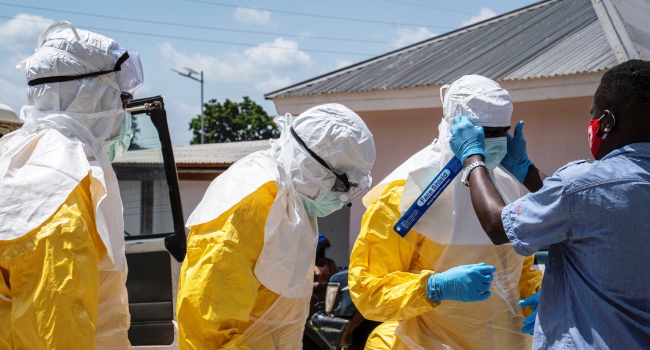
The Ebola outbreak in the Democratic Republic of Congo (DRC) has reached a critical stage, with confirmed infections rising to 5,515 and reported deaths reaching 2,642, according to the latest government figures reported on August 24, 2026. The outbreak is now considered the largest Ebola epidemic in the country’s history and is expanding rapidly across affected communities.
The current outbreak involves the Bundibugyo virus, a relatively rare strain of Ebola for which there is currently no approved vaccine or specific treatment. The outbreak was first detected in eastern DRC in May and has since spread across several provinces, creating significant challenges for health authorities attempting to contain transmission.
Fatality Rate Nears 48 Percent
One of the most worrying developments is the sharp increase in the case-fatality rate. Government figures indicate that the fatality rate has climbed from approximately 20 percent in early June to nearly 48 percent. This means that almost one in every two confirmed patients has died.
Health authorities are particularly concerned about the speed at which the epidemic is expanding. The outbreak has already surpassed the scale of DRC’s previous major Ebola epidemic of 2018–2020 and is now being compared with the devastating West African Ebola outbreak of 2014–2016, which killed more than 11,000 people.
Healthcare Workers Among Those at Risk
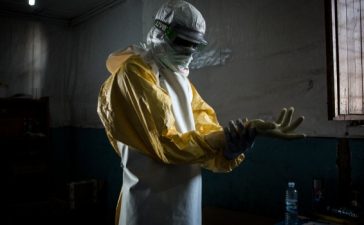
Healthcare workers are also paying a heavy price. According to figures cited by international health authorities, approximately 160 healthcare workers have been infected, with around 45 deaths recorded among them. Attacks on medical personnel and healthcare facilities, insecurity, population displacement and inadequate infrastructure are making the response even more difficult.
Another concern is the challenge of maintaining public confidence. Misinformation and distrust have contributed to resistance to health interventions in some communities, while ongoing conflict has disrupted access to affected populations.
Vaccine Response Begins
Despite the absence of a vaccine specifically approved for the Bundibugyo strain, international partners are attempting to deploy available tools.
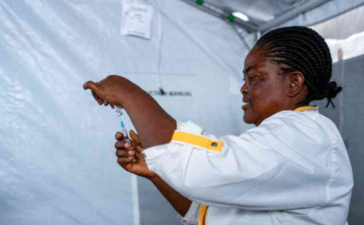
The DRC has received 16,250 doses of the Ervebo Ebola vaccine, part of approximately 70,000 doses promised by the World Health Organization and its partners. Ervebo is licensed for the Zaire species of Ebola rather than Bundibugyo, but researchers believe it may offer some protection and are working toward clinical evaluation during the outbreak.
The WHO has also been supporting efforts to evaluate potential treatments and vaccines specifically targeting Bundibugyo Ebola .
International Response Needed
The escalating outbreak has prompted renewed calls for international assistance. Pope Leo has urged greater global cooperation to help Congo contain the epidemic, while health authorities have called for significantly greater resources for surveillance, diagnosis, treatment and protection of frontline workers.
For the DRC and neighbouring countries, the situation demonstrates how quickly infectious diseases can spread when health systems are weakened by conflict, displacement, poverty and inadequate infrastructure.
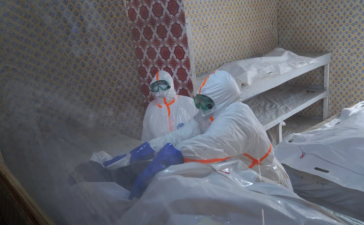
The immediate priority is to identify cases quickly, isolate infected patients, trace contacts, protect healthcare workers and strengthen community engagement.
The worsening Ebola crisis is therefore not only a challenge for the DRC. With cross-border movement continuing across the region, it represents a wider African public-health concern requiring coordinated national, regional and international action.