The security situation facing commercial shipping in the Red Sea and Bab el-Mandeb Strait has taken a dangerous turn following a deadly attack on a cargo vessel earlier this month.
Four seafarers were killed when the Egyptian-owned, Tanzania-flagged vessel Tihamah was attacked on August 11, 2026. Two Yemeni personnel involved in the subsequent rescue operation were also killed.
The incident has renewed concerns about the safety of merchant vessels navigating one of the world’s most strategically important maritime corridors.
Four Seafarers Killed
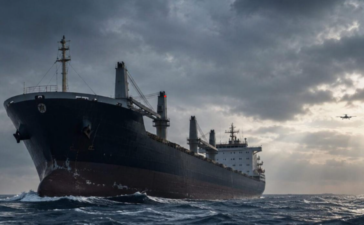
According to reports, the Tihamah was struck by three ballistic missiles while sailing in the Bab el-Mandeb, the strategic waterway connecting the Red Sea with the Gulf of Aden.
The attack caused significant damage and triggered a rescue operation.
The four deceased crew members included three Pakistani nationals and one Indonesian seafarer. A subsequent attack during the rescue operation killed two Yemeni personnel and injured others.
The attack has been attributed by Yemen’s internationally recognised government to the Houthi movement. The Houthis have not officially commented on the incident in the same terms, although Houthi-run media reported that the group had targeted a Saudi-linked vessel.
IMO Calls for Greater Risk Assessment
The latest incident has prompted renewed concern from the International Maritime Organization (IMO).
IMO Secretary-General Arsenio Dominguez called the attack indefensible and urged shipowners and operators to conduct thorough risk assessments before transiting high-risk areas.
The IMO has also stressed that seafarers must be protected and able to carry out their duties safely.
Shipping Routes Under Pressure
The renewed attacks could have significant implications for global shipping.
The Bab el-Mandeb is a critical gateway for vessels travelling between the Indian Ocean and the Mediterranean through the Suez Canal. Increased security risks can encourage shipping companies to divert vessels around the Cape of Good Hope, adding substantial sailing time and costs.
The security situation is already affecting shipping strategies. Reuters reported that some Saudi-linked oil shipments are increasingly avoiding the southern Red Sea because of heightened risks, while war-risk insurance costs have also risen.
Mocha Port Also Suspends Operations
The security concerns have extended to ports in Yemen.
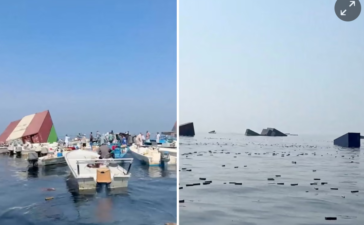
Mocha Port reportedly suspended commercial and maritime operations after a series of Houthi missile attacks. According to Reuters, more than 25 missiles struck the port area over several days, killing seven people and causing an estimated $16 million in damage.
The development highlights the wider impact of regional insecurity on port operations, maritime trade and supply chains.
Implications for Global Trade
The latest escalation demonstrates how quickly instability around strategic maritime chokepoints can affect international commerce.
For shipping companies, the immediate priorities are likely to remain crew safety, route assessment, insurance costs and operational continuity.
For governments and international maritime organisations, the attacks underline the need for stronger protection of commercial shipping and seafarers.
As tensions continue, the future of shipping through the Red Sea will depend heavily on the evolution of the regional security environment and the ability of international stakeholders to guarantee safe passage through the Bab el-Mandeb.
Source: Reuters, International Maritime Organization reports, SeaTrade Maritime and Africa Ports & Ships.