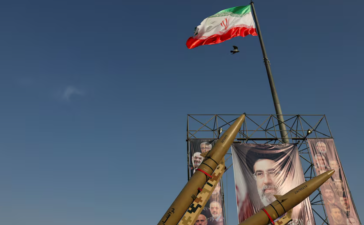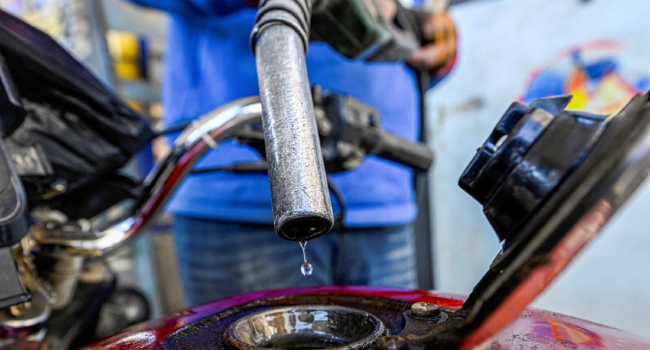
The ongoing Iran war has exposed Africa’s deep vulnerability to global fuel supply chokepoints, with the continent projected to face an 86 million-tonne fuel shortfall by 2040, according to the Africa Finance Corporation (AFC).
In a report released during a summit in Nairobi, the AFC warned that Africa’s dependence on imported refined products continues to grow despite its vast natural resource base.
The continent currently imports more than 70 per cent of its refined fuel and around $230bn worth of essential goods annually, including food, plastics, steel, and fertiliser.
The report projects that fuel import dependence will rise from 74 million tonnes in 2023 to 86 million tonnes by 2040, underscoring widening energy insecurity across the continent.
The findings come amid renewed concerns over global supply disruptions linked to conflicts in the Middle East, particularly tensions affecting oil transport routes such as the Strait of Hormuz.
At the summit, Africa’s richest man, Aliko Dangote, announced plans to expand refinery capacity in East Africa, mirroring the scale of his massive facility in Nigeria.
“I can give commitment to the two presidents that are here: If they will support the refinery, we’ll build the identical one that we have in Nigeria — 650,000 barrels,” Dangote said, referring to leaders of William Ruto and Yoweri Museveni.
The proposal highlights growing momentum for local refining as African leaders seek to reduce reliance on external suppliers.
The AFC, a Pan-African infrastructure financing institution, said Africa’s energy vulnerability is compounded by structural inefficiencies and underutilised assets.
Its Chief Economist, Rita Babihuga-Nsanze, cited examples of hydroelectric dams in Zambia that were not designed for changing climate conditions, as well as two gigawatts of hydropower capacity in Angola that remains unconnected to regional grids.
She also pointed to fertiliser shortages triggered by the war, noting Africa’s paradoxical position as both a resource-rich and import-dependent continent.
“Africa has 80 per cent of the world’s phosphate reserves, yet produces only 20 per cent of global fertiliser output,” she said, describing the situation as a missed opportunity for industrial expansion.
Kenyan President William Ruto told the summit that Africa must reduce dependence on external capital and accelerate domestic industrialisation.
“Our ambitions will remain unrealised if we continue to depend on external capital whose primary interest is securing raw materials for their own industries,” he said.
Ruto also announced Kenya’s plans for large-scale infrastructure expansion, including new hydroelectric dams, increased power generation capacity, and upgrades to transport systems.
He stressed that Africa’s development challenges are not solely rooted in history but also in current policy choices and implementation gaps.
Experts at the summit called for urgent investment in refining capacity, regional energy integration, and better utilisation of existing infrastructure to address Africa’s growing fuel insecurity.
The AFC warned that without coordinated action, the continent’s reliance on imports could deepen, leaving it more exposed to global shocks and price volatility.