A district in southern Somalia is at risk of famine, according to a U.N.-sponsored report released on Thursday, marking the first time since 2022 that part of the country has reached such a critical level of food insecurity.
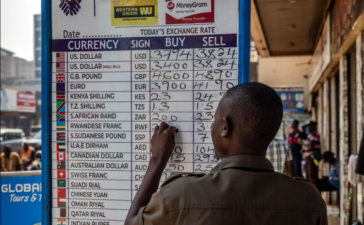
The report, produced by the Integrated Food Security Phase Classification (IPC), identified Burhakaba District as being under severe threat due to worsening hunger conditions driven by failed rainy seasons, rising food prices, and limited humanitarian access.
Somalia, one of the world’s most food-insecure nations, continues to grapple with drought, conflict, and chronic poverty. The country last experienced famine in 2011, when an estimated 250,000 people died, and came close again in 2017 and 2022.
The IPC warned that Burhakaba could tip into famine under a “plausible worst-case scenario” involving continued failure of the Gu rains, further price increases, and insufficient aid delivery.
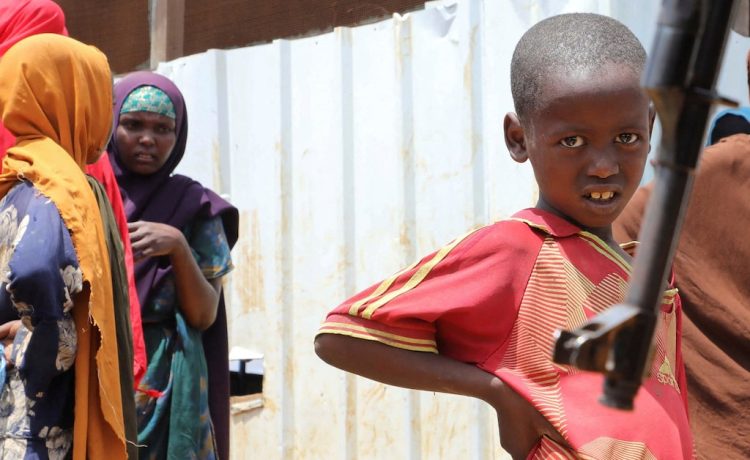
The report found that more than one in three children in the district are suffering from acute malnutrition, a key indicator of imminent famine conditions.
Famine is declared when at least 20% of households face extreme food shortages, at least 30% of children are acutely malnourished, and two out of every 10,000 people die daily from hunger-related causes.
Across Somalia, about 6 million people are currently facing crisis levels of food insecurity or worse, a figure that remains alarmingly high despite slight fluctuations in recent estimates.
Humanitarian agencies say global reductions in foreign aid—particularly from major donors—have significantly weakened relief efforts in the country.
The IPC report noted that although humanitarian assistance increased between April and June, it still reached only about 12% of those in need.
Aid organisations warn that Somalia may be entering a new phase of chronic underfunding for humanitarian response.
According to Mercy Corps Somalia country director Daud Jiran, the situation reflects a broader global shift.
“Somalia risks becoming one of the first major crises of the ‘post-aid era,’” he said, describing a situation where needs are rising while humanitarian capacity is shrinking.
The crisis is being further complicated by ongoing insecurity and broader regional instability, which continue to limit access to vulnerable populations in rural areas.