South Africa’s governing African National Congress (ANC) has suffered its worst-ever performance in local government elections, marking another major setback for the party that dominated the country’s politics for decades.
The latest election results show that the ANC received less than one-third of the national vote, reflecting growing dissatisfaction among voters over corruption, poor public services and the performance of local government institutions.
The outcome represents a significant political development for South Africa, where the ANC has historically maintained strong electoral support since the end of apartheid and the introduction of democratic elections in 1994.
According to Reuters’ report published on November 9, 2026, the election results indicate a continuing shift in voter behaviour, with more citizens increasingly judging political parties based on their performance in government rather than historical loyalty.
The ANC’s declining support has become particularly visible in major metropolitan areas, where the party failed to secure outright victories in several important cities.
The Democratic Alliance emerged as a leading political force in five of the eight metropolitan areas covered in the reported results, while the uMkhonto weSizwe Party, associated with former South African president Jacob Zuma, made significant gains in eThekwini.
In Johannesburg and Tshwane, the ANC finished behind competing parties, further demonstrating the changing political environment in the country.
The results are especially important because local government institutions are responsible for delivering essential services directly to residents.
These include water supply, electricity distribution, sanitation, waste management, road maintenance and other infrastructure services.
For many South Africans, dissatisfaction with these services has become a major factor influencing political decisions.
Problems involving unreliable electricity, water shortages, deteriorating roads and poor municipal administration have continued to attract public criticism.
Corruption allegations and concerns about the management of public funds have also affected confidence in political institutions.
The ANC has acknowledged weaknesses in service delivery and indicated that it needs to reflect on the reasons behind its declining electoral support.
The party’s latest performance follows another major setback during the 2024 national elections, when it lost its parliamentary majority for the first time since the country’s democratic transition.
That outcome forced the ANC to enter a government of national unity arrangement with other political parties, changing the country’s traditional political structure.
The 2026 local government results suggest that the movement towards a more competitive political system is continuing.
One of the immediate consequences of the election is the likelihood of coalition negotiations in several municipalities.
Where no political party secures an outright majority, parties must negotiate with other groups to establish governing arrangements and appoint municipal leadership.
Such negotiations can become complicated because parties often have different policy positions, political priorities and demands concerning the distribution of leadership positions.
Smaller political parties may also gain significant influence because their support could determine which larger party controls a municipal council.
The Democratic Alliance, which secured strong results in several metropolitan areas, now has greater opportunities to negotiate partnerships with other parties.
However, the final arrangements will depend on the political discussions taking place within individual municipalities.
Analysts quoted by Reuters said the election reflects a wider transformation in South African politics, where voters are increasingly demanding accountability and measurable improvements in public services.
The results could also influence the ANC’s internal leadership discussions ahead of its expected 2027 leadership transition.
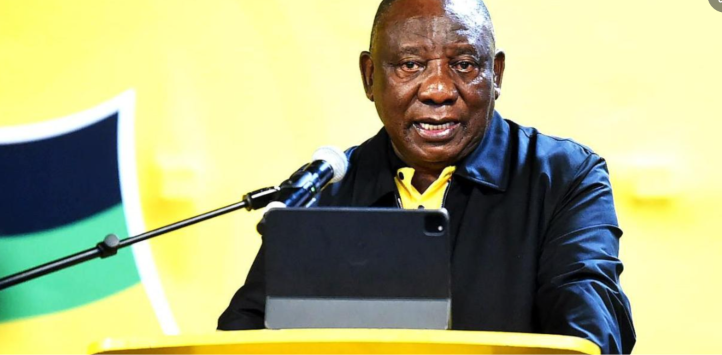
President Cyril Ramaphosa is expected to step down as ANC leader in 2027, creating an important period for the party as it considers its future leadership and political direction.
The declining support may increase pressure on the party to introduce reforms, strengthen its internal structures and rebuild public confidence.
For opposition parties, the results provide an opportunity to expand their influence and demonstrate their ability to govern effectively.
However, winning elections is only one part of the political challenge. The parties entering coalition arrangements will also face expectations to improve municipal services, address financial difficulties and deliver on campaign promises.
South Africa’s latest local elections therefore represent more than a change in political numbers. They demonstrate the increasing importance of voter accountability and coalition governance in one of Africa’s largest economies.
The coming weeks will be important as parties negotiate municipal leadership arrangements and determine how the new political balance will affect local administration.