Refugees and asylum seekers living in Durban, South Africa, are facing renewed uncertainty as a September 30 deadline set by the anti-immigration movement March and March approaches.
The movement has called on undocumented foreign nationals to leave South Africa and has threatened further demonstrations if its demands are not met. The deadline has heightened fears among migrant communities, with some refugees saying they are worried that hostility could lead to fresh attacks.
One of those affected is Bishop Raphael Bahebwa, a refugee from the Democratic Republic of Congo who has lived in South Africa for 26 years. He told Al Jazeera that he is currently hiding because of threats against him after speaking publicly about the rights of foreigners.
The concerns come after hundreds of refugees and asylum seekers spent several months living on the pavement outside the Durban Refugee Reception Centre. The group includes people from the Democratic Republic of Congo, Burundi, Uganda, Mozambique and Tanzania.
Refugees divided over relocation
South African authorities began relocating people from the informal camp earlier this month. On September 15, the Department of Home Affairs said 278 people were being transferred to the Lindela Repatriation Centre in Krugersdorp, Gauteng, following consultations with representatives of the affected communities.
Authorities had offered the refugees two options: return to the communities where they previously lived or move temporarily to Lindela.
Some accepted the relocation because they wanted somewhere safe to stay and access to food. Others opposed the move, arguing that Lindela is primarily a repatriation facility and that some of them are legally recognised refugees or asylum seekers.
Previous clashes
Tensions around the Durban refugee camp have already resulted in violence.
In early September, clashes broke out after members of March and March demonstrated near the camp. Police intervened to separate the groups, and several people were injured.
The refugees had initially gathered outside the Home Affairs offices after some foreign nationals were allegedly forced from their homes and businesses during earlier anti-immigration protests.
The situation has left many of them concerned about returning to their former communities. Some say they have lost their homes, businesses and jobs during the months they spent displaced.
Government response
South African authorities have stressed that immigration enforcement is the responsibility of the state and not private groups.
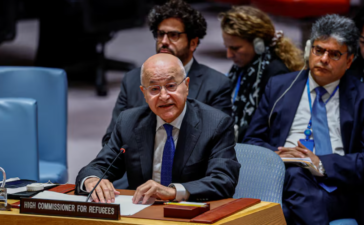
The government has also said it is engaging with the United Nations High Commissioner for Refugees (UNHCR) over possible longer-term solutions for members of the displaced community.
As September 30 approaches, authorities face the challenge of maintaining public order while protecting refugees and asylum seekers from violence.
Police have said demonstrations must remain within the law, while the government has warned that private individuals and organisations cannot take immigration enforcement into their own hands.
The situation remains closely watched as concerns grow over possible demonstrations and further tension involving migrant communities in Durban.