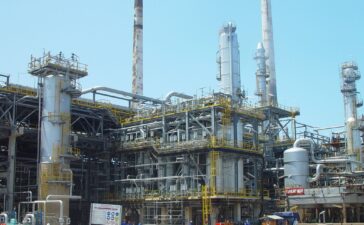
Senegal is advancing plans to build a new refinery capable of processing four million metric tonnes of crude annually, as the country seeks to increase domestic refining capacity and strengthen its position in West Africa’s fuel market.
State-owned Société Africaine de Raffinage, or SAR, has signed a memorandum of understanding with Turkey-based Yamata for the proposed facility.
The project is expected to cost between $2 billion and $3 billion.
Under the proposed arrangement, Yamata would manage construction and arrange financing without a Senegalese sovereign guarantee.
That structure could reduce direct government exposure, but it also means securing commercially viable financing will be a major test before construction can proceed.
Senegal Enters New Era as Oil Producer
The proposed refinery comes after Senegal became an oil-producing country in 2024 following the start of production at the offshore Sangomar field.
Producing crude does not automatically eliminate reliance on imported refined fuels.
Countries without sufficient refining capacity may export crude while importing petrol, diesel and other petroleum products.
Senegal continues to rely partly on fuel imports despite becoming an oil producer.
Expanding local refining could allow the country to retain more of the petroleum value chain domestically.
Existing Mbao Refinery Also Needs Investment
Senegal is simultaneously considering the modernisation of SAR’s existing Mbao refinery.
That upgrade is expected to require an additional $300 million to $500 million.
The combined investments would represent a major expansion of Senegal’s downstream petroleum industry.
A larger refinery could serve domestic demand while potentially supplying neighbouring West African markets.
However, refinery economics are complex.
Projects require substantial upfront investment and must compete against established international refining hubs.
The financing structure, crude supply, operating efficiency and regional fuel demand will therefore determine whether the proposed plant ultimately becomes commercially sustainable.