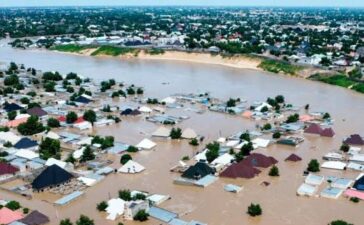
The Lagos State Government has directed residents of vulnerable low-lying and flood-prone communities to temporarily relocate to higher ground following a new seven-day flood advisory warning of rising river levels and increased flooding risks across Lagos and 14 other states.
Commissioner for the Environment and Water Resources, Tokunbo Wahab, issued the warning on Sunday, September 21, saying the government was treating the latest advisory from the Nigerian Hydrological Services Agency, NiHSA, with urgency.
The affected or vulnerable locations identified by the state include Eti-Osa, Lagos Island, Oke-Ira Nla in Ajah, Kirikiri around the seaport, Ilaje Waterfront Jetty and Jetty Terminal B, among other low-lying and waterfront communities.
Residents in communities along the Ogun River and other major waterways have also been advised to exercise heightened caution as upstream rainfall and rising water levels could affect downstream areas in Lagos.
The warning comes as NiHSA’s latest National Flood Advisory covers the period September 19 to 25, raising concerns about the potential impact on communities and critical infrastructure.
Residents Told Not to Wait for Floodwaters
Wahab urged people living in vulnerable locations not to wait until floodwaters enter their homes before moving to safer areas.
According to him, temporary relocation and early preparation could prevent deaths and reduce the impact of flooding on families.
“We are urging Lagosians, particularly those living in flood-prone and low-lying areas, not to take this warning lightly. When the signs point to danger, the safest decision is to move early. No property is worth risking a life,” Wahab said.
The Commissioner advised residents in affected communities to remain on higher ground until the immediate threat associated with the current rainy period has subsided.
The state has also intensified monitoring of riverine communities and other locations historically vulnerable to flooding.
Isheri, Kara, Majidun Communities Put on Alert
Beyond coastal areas, the government specifically identified several communities around river systems where residents should remain vigilant.
They include Isheri North, Kara, Itowolo, Ajegunle, Majidun, Ogolonto and parts of Agboyi, as well as other settlements downstream of Isheri Olofin.
The warning is particularly significant for communities close to the Ogun River because water conditions in Lagos can be affected by rainfall and river flows originating outside the state.
Wahab said residents close to rivers, lagoons, wetlands, drainage channels and other water bodies should therefore monitor government advisories closely.
Coastal and waterfront communities have similarly been asked to prepare for temporary relocation whenever official forecasts indicate that flooding is imminent.
September Rains, Tidal Conditions Raise Risk
The Environment Commissioner said Lagos typically experiences another period of significant rainfall around September, which can coincide with higher water levels and tidal conditions.
Those factors can increase the likelihood or severity of flooding in low-lying parts of the state.
Lagos’ exposure to flooding is complicated by its coastal geography, extensive lagoon system, rapid urban development and large number of communities built around wetlands and waterways.
During periods of intense rainfall, drainage systems can also struggle to discharge water quickly, particularly when high tides restrict the flow of stormwater into surrounding water bodies.
The government’s latest warning therefore goes beyond areas that have already experienced flooding and focuses on communities considered vulnerable should rainfall and river levels intensify.
Schools, Markets and Health Facilities Could Be Affected
According to the NiHSA advisory cited by the state government, rising river levels could affect not only residential communities but also schools, healthcare facilities, markets, farms and places of worship in exposed areas.
The Lagos government has consequently called on local government authorities, emergency agencies and community leaders to activate early-warning and response arrangements.
Residents have been advised to move people, livestock and valuable belongings to safer locations where necessary.
The government said it would continue monitoring rainfall patterns, river levels and other hydrological indicators in collaboration with relevant federal agencies.
Such monitoring will be important during the seven-day advisory period because flood conditions can change quickly depending on rainfall intensity, river discharge and tidal movements.
Lagos Sustains Drainage Maintenance
Wahab said the state would continue cleaning, maintaining and monitoring drainage infrastructure as part of measures to reduce the impact of flooding.
However, he stressed that residents also have responsibilities in keeping drainage channels functional.
The Commissioner warned against indiscriminate dumping of refuse into drains, canals and waterways, saying waste can obstruct the movement of stormwater and worsen flooding.
Blocked drainage systems can also prolong flooding because accumulated water takes longer to recede.
The state has repeatedly linked its flood-management efforts to the need to keep major drainage channels and canals free of waste and illegal obstructions.
Motorists Warned Against Driving Through Floodwater
Residents and motorists have also been cautioned against attempting to walk or drive through flooded roads, bridges or fast-moving water.
The depth and strength of floodwater can be difficult to determine visually, creating the risk of vehicles becoming submerged or being swept away.
For households in locations covered by evacuation or relocation warnings, the government advised making arrangements for temporary accommodation in safer areas rather than waiting for conditions to deteriorate.
Wahab said the priority was preventing avoidable deaths and protecting property while emergency and environmental authorities continue monitoring developments.
The government also urged Lagosians to rely on official forecasts and emergency information rather than disregard warnings because flooding has not yet occurred in their immediate neighbourhoods.
With the current NiHSA advisory running through September 25, residents of the identified communities have been asked to remain calm but vigilant and respond quickly if conditions worsen or further evacuation instructions are issued.
The state government said additional information would be provided as rainfall, river and tidal conditions evolve.