Asian chip stocks advanced as investors continued to back the artificial intelligence boom, even as oil prices moved closer to $100 a barrel amid escalating tensions in the Middle East.
The rise in technology shares helped support Asian markets, with South Korea’s Kospi gaining about 1.3% while the MSCI Asia Pacific Index rose around 0.4%.
Chipmakers remained among the stronger performers as investors continued to see demand for artificial intelligence-related technology as an important driver of corporate earnings and investment.
The gains came despite renewed concerns about energy supplies and the potential impact of higher oil prices on the global economy.
Oil prices approach $100
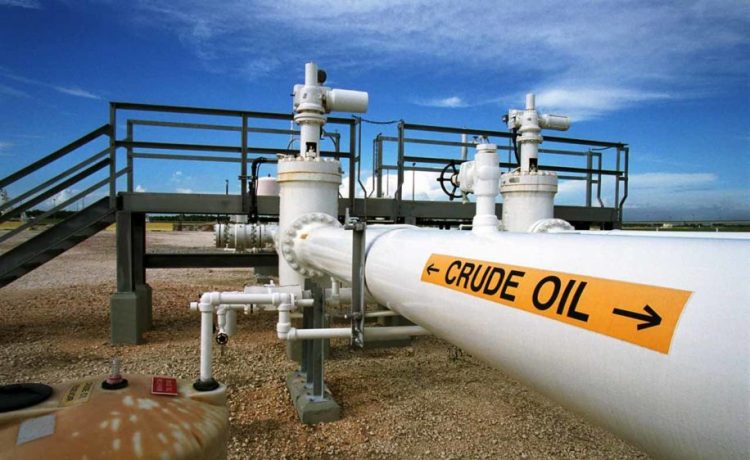
Brent crude rose as much as 1.8% to about $99.68 a barrel during trading.
Oil prices have climbed sharply amid concerns that military activity in the Middle East could threaten supplies and disrupt major shipping routes.
The increase has pushed Brent crude more than 60% higher so far this year, raising concerns about its impact on inflation.
Higher energy costs can increase transportation and production expenses for businesses, potentially putting renewed pressure on consumer prices.
Markets watch the Strait of Hormuz
One of the major concerns for investors is the security of the Strait of Hormuz, a critical route for global oil shipments.
Any prolonged disruption to the waterway could significantly affect international energy markets because of the large volume of oil and other energy products transported through the region.
The possibility of supply disruptions has therefore become an important consideration for financial markets.
Interest rate concerns return
The rise in oil prices could also complicate decisions for central banks if higher energy costs lead to renewed inflationary pressure.
Investors are now watching whether the increase in crude prices will remain temporary or develop into a longer-term shock to the global economy.
For now, strong demand for artificial intelligence-related technology is providing support for Asian chipmakers, but geopolitical developments and oil prices remain major risks for the wider market.