Hospitals across England are facing growing pressure from extreme summer heat, with some wards reaching temperatures far above recommended safety levels and some planned surgeries being cancelled after cooling systems failed.
New data obtained from 33 NHS trusts showed that ward temperatures during July averaged 31.9°C. This was above the 28°C level that NHS England advises hospitals to maintain to help protect patients and staff. At one hospital trust, an internal temperature of 41.8°C was recorded during a recent heatwave, highlighting the serious impact of extreme temperatures on healthcare facilities.
The Northern Care Alliance NHS Foundation Trust, which operates four hospitals in Greater Manchester, recorded the highest reported temperature of 41.8°C. The figure was about 14°C above the recommended maximum temperature, raising concerns about whether some hospital buildings are properly equipped to cope with increasingly frequent and intense heatwaves.
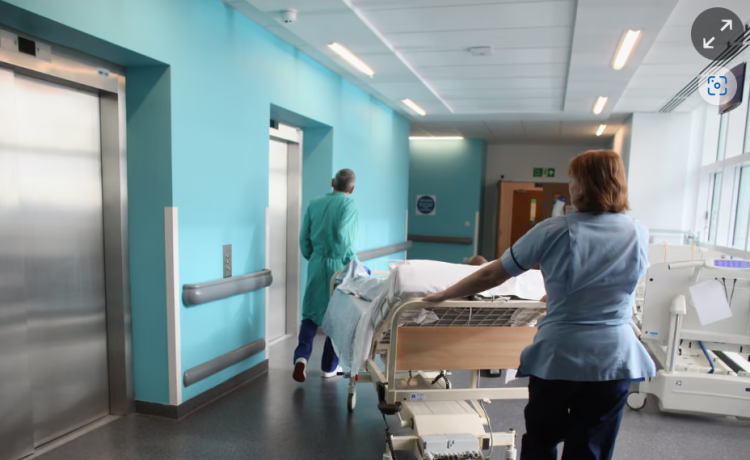
The extreme conditions have also affected hospital services. Some NHS trusts were forced to reschedule planned operations because operating theatres became too hot or because cooling units stopped working during periods of intense heat. In some cases, cooling equipment located on hospital rooftops reportedly failed after prolonged exposure to high temperatures.
The disruption means that patients waiting for planned procedures could face further delays. Some patients have also reportedly cancelled their own operations because they found it too difficult or unsafe to travel to hospitals during extreme heat. Hospitals and GP practices have responded by offering some frail and elderly patients appointments earlier or later in the day, when temperatures may be lower.
Extreme heat is not only affecting hospital buildings. It is also creating additional health risks for patients. Doctors have reported seeing more elderly people experiencing dizziness and falls during heatwaves. Dehydration can also worsen existing medical conditions and, in serious cases, contribute to kidney problems or heatstroke.
Hospital and ambulance staff are also under pressure. Ambulance services have reportedly faced difficulties keeping certain medicines at safe temperatures inside vehicles. Meanwhile, some NHS staff have struggled to work in extremely hot conditions, with reports of workers experiencing dizziness, nausea, exhaustion and, in some cases, fainting.
To manage the heat, some health services have relaxed uniform rules for ambulance crews, allowing lighter clothing such as shorts. Hospitals have also hired portable air-conditioning units to help keep wards and other facilities cooler. One trust reportedly rented more than 600 portable units as part of its efforts to cope with the extreme temperatures.
The situation has renewed concerns about the condition of England’s ageing NHS infrastructure. Health professionals and staff organisations say many hospital buildings were not designed to cope with the level of heat now being experienced. The lack of adequate air conditioning and ventilation has made it more difficult to protect vulnerable patients and maintain safe working conditions for healthcare workers.
The Liberal Democrats, which obtained the temperature data, have called for stronger action to prepare the health service for future heatwaves. The party proposed the creation of an NHS rapid adaptation unit to help hospitals and care homes improve their cooling systems and become more resilient to extreme temperatures.
The latest findings underline a growing challenge for healthcare systems as climate-related extreme weather becomes more frequent. Hospitals have traditionally prepared extensively for winter pressures, but the events of this summer show that severe heat can also place enormous pressure on emergency services, staff, patients and hospital infrastructure.
With more heatwaves expected in the future, there are growing calls for hospitals to invest in better cooling, ventilation and climate-resilient infrastructure. For patients and healthcare workers, the concern is becoming increasingly urgent: hospitals must remain safe places for treatment, even during periods of extreme weather.