The Managing Director and Chief Executive Officer of the Rural Electrification Agency (REA) Dr. Abba A. Aliyu has called for a practical and inclusive approach to Nigeria’s decarbonisation agenda, saying clean energy should be positioned as a driver of economic growth, industrial development and improved electricity access.
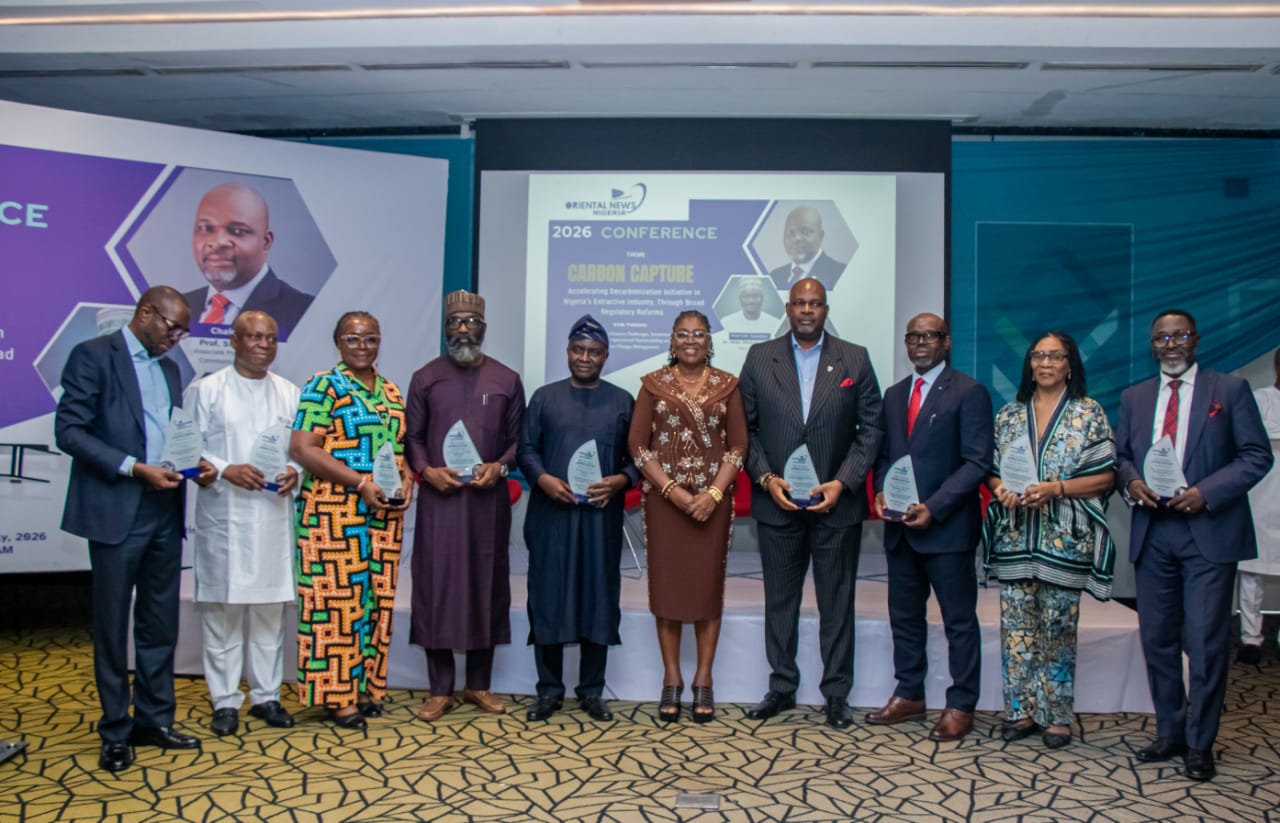
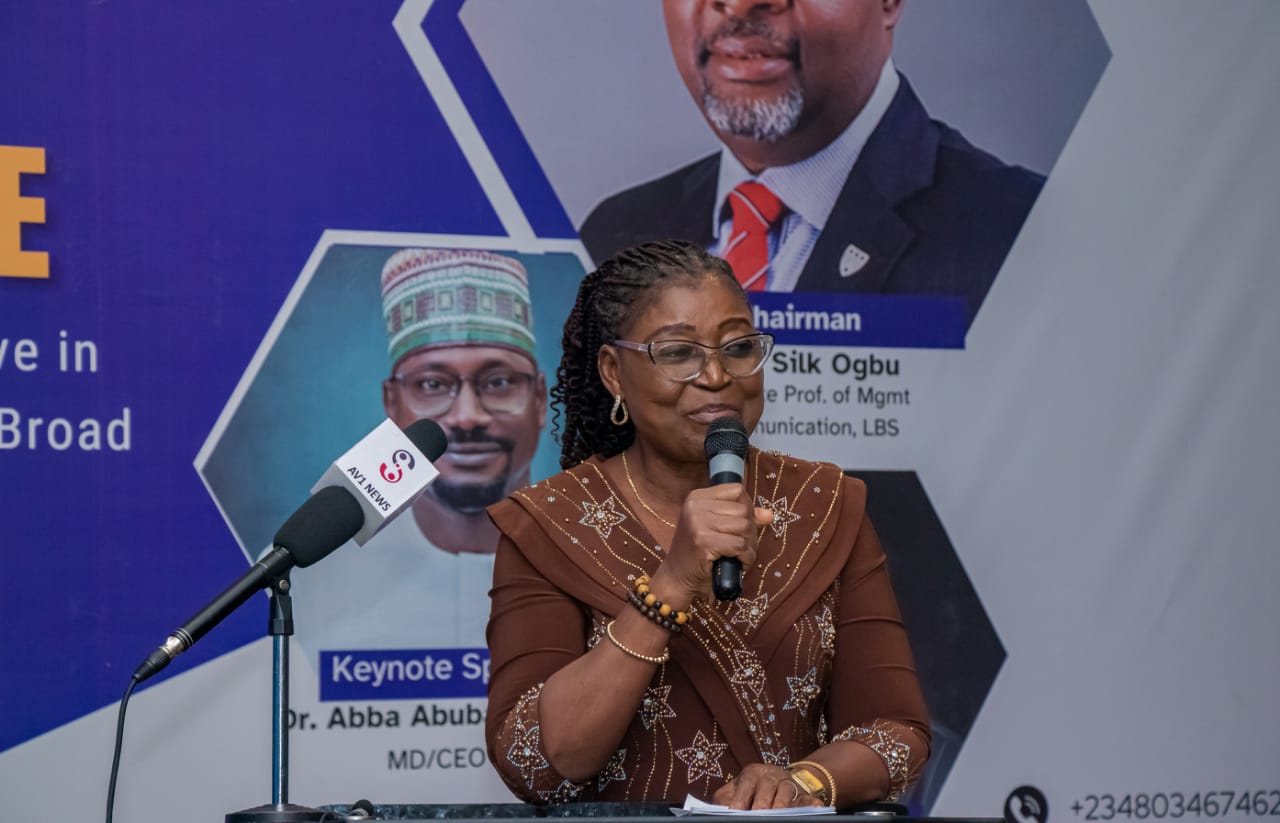
Dr. Aliyu made the call at the just concluded 2026 Oriental News Conference which came up in last week in Lagos. He was represented by the Executive Director, Corporate Services, who delivered the keynote address on his behalf.
Speaking on the theme, “Driving Nigeria’s Decarbonisation through Strategic Promotion of Clean Energy: The REA Experience,” he said Nigeria must see decarbonisation as more than reducing carbon emissions.
“For Nigeria, decarbonisation cannot be reduced to a narrow conversation about emissions alone. It must be a conversation about competitiveness, industrial renewal, energy security, climate resilience, financing, technology, and inclusive growth,” he said.
Clean energy is already transforming communities
The REA executive noted that clean energy projects are already improving lives across Nigeria. He said renewable energy is powering communities, schools, hospitals, farms and businesses while reducing dependence on diesel.
“Clean energy is not theoretical. It is already transforming communities, institutions, markets, schools, healthcare facilities, farms, and small businesses across Nigeria. It is reducing diesel dependence, creating new investment opportunities and improving productivity,” he stated.
He explained that Nigeria must expand electricity access while reducing greenhouse gas emissions.
“The real challenge is to expand energy access, grow the economy, industrialise, and reduce emissions at the same time. This is where renewable energy and decentralised clean power become strategic,” he added.
Renewable energy should drive economic development
According to him, renewable energy should serve as an economic development tool rather than just an environmental solution.
He highlighted several REA programmes, including the Nigeria Electrification Project (NEP), Distributed Access through Renewable Energy Scale-up (DARES) Programme, Energizing Education Programme, National Public Sector Solarisation Initiative, health facility electrification projects and interconnected mini-grid developments.
He said these initiatives have demonstrated that renewable energy can be deployed successfully across the country.
Productive use of energy is critical
The REA official stressed that future renewable energy investments should support productive economic activities capable of creating jobs and increasing incomes.
“A solar mini-grid that only powers light bulbs is useful. But a mini-grid that powers a rice mill, a cold room, a welding cluster, a market, a clinic, a school and surrounding households is transformative. It changes the economics of the community, supports jobs and increases incomes,” he said.
Extractive industry should embrace clean energy
The Executive Director called on companies operating in Nigeria’s extractive sector to integrate clean energy into their operations and host community development plans.
“Decarbonisation in the extractive sector should not be treated only as a compliance issue. It should be treated as an opportunity to redesign the relationship between industry, communities and sustainable infrastructure,” he noted.
Better planning will strengthen clean energy growth
He also warned against uncoordinated renewable energy investments across the country.
According to him, Nigeria needs proper planning, credible project pipelines, strong regulations and coordinated investments.
“Nigeria must scale clean energy with discipline. We need data, planning, technical standards, regulation, investment coordination and credible project pipelines,” he said.
Local manufacturing must benefit
The REA representative urged policymakers to ensure renewable energy projects create jobs for Nigerians and strengthen local manufacturing.
“Clean energy must become a platform for local content, job creation and industrial value capture. Every major renewable energy programme should ask a simple question: beyond supplying electricity, what domestic capacity does this project build?” he asked.
Financing remains a major challenge
He noted that attracting private investment will require making renewable energy projects more bankable.
“The issue is not lack of potential. The issue is bankability. Projects require stronger preparation, clearer demand assessment, credible revenues and better risk allocation,” he explained.
Nigeria needs a balanced energy transition
The Executive Director said oil and gas will continue to play an important role in Nigeria’s economy during the transition to cleaner energy.
“Oil and gas will remain important to Nigeria’s economy for some time. The real question is how Nigeria can use its resources more responsibly, more efficiently and more strategically while building the clean energy economy of the future,” he said.
Stakeholders must work together
He concluded by calling for collaboration among government, regulators, investors, financial institutions, development partners, the extractive industry and the media.
“Nigeria must move from projects to platforms, from access alone to productive use, from import dependence to local value creation, and from fragmented interventions to coordinated national planning. This is the shift required, and it will require all of us,” he said.