Nigeria is currently hosting more than 100,000 refugees and asylum seekers, while millions of its citizens remain internally displaced due to humanitarian crises across the country, the Secretary to the Government of the Federation, George Akume, has disclosed.
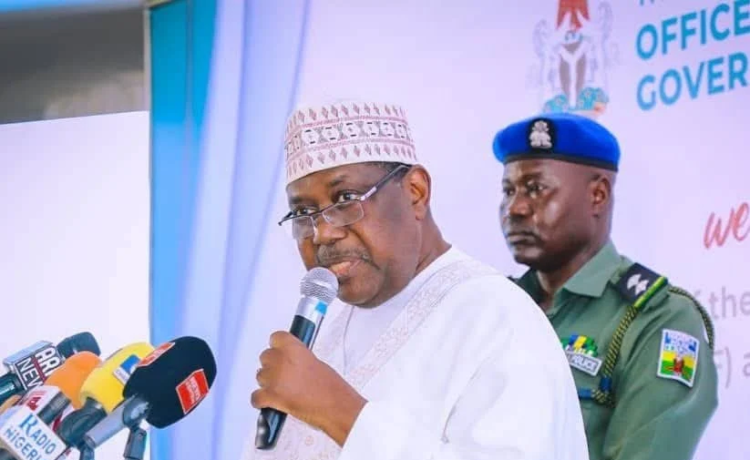
Akume made the revelation on Monday in Abuja during the commemoration of the 2026 World Refugee Day, themed “Until Everyone is Safe.”
According to a statement issued by the Office of the Secretary to the Government of the Federation and signed by the Head of Information and Public Relations, Chris Ugwuegbulam, Akume said the administration of President Bola Tinubu remains committed to the protection, welfare and empowerment of refugees, asylum seekers and internally displaced persons (IDPs).
“Nigeria currently hosts over 100,000 refugees and asylum seekers, mainly from countries within the Lake Chad Basin region, while millions of Nigerians remain internally displaced due to various humanitarian crises.
“The Federal Government’s response is anchored on three key pillars: protection, livelihoods, and durable solutions, implemented through the National Commission for Refugees, Migrants and Internally Displaced Persons,” he said.
Akume explained that government interventions are increasingly focused on linking humanitarian assistance with long-term development strategies aimed at helping displaced persons rebuild their lives and become self-reliant.
“The Federal Government is deliberately shifting from palliatives to pathways by linking humanitarian response to development opportunities.
“We are committed to ensuring that displaced persons not only survive but thrive through access to livelihoods, agribusiness opportunities, education, and social protection programmes,” he stated.
The SGF stressed that growing global challenges, including climate-induced displacement, insecurity and prolonged conflicts, require stronger international cooperation and collective action.
According to him, refugees and internally displaced persons should not be viewed merely as victims but as individuals with enormous potential who deserve dignity, opportunities and support.
Akume also disclosed that the Federal Government is working to expand the National Social Register to include more vulnerable groups, particularly displaced persons and host communities.
He said the initiative would enable authorities to provide more targeted, transparent and data-driven humanitarian assistance.
The government, he added, remains committed to ensuring that support reaches those who need it most in a dignified and efficient manner.
In his keynote address, the Minister of Humanitarian Affairs and Poverty Reduction, Dr. Bernard Doro, commended the resilience and courage displayed by refugees around the world despite the hardships they face.
Doro reaffirmed Nigeria’s commitment to international humanitarian principles and pledged continued support for vulnerable populations in line with global best practices.
He called on governments, development partners, humanitarian organisations and host communities to strengthen efforts aimed at providing protection, durable solutions and opportunities for self-reliance.
“Refugees must be given due attention to alleviate their plight,” the minister said.
Earlier, the Federal Commissioner and Chief Executive Officer of the National Commission for Refugees, Migrants and Internally Displaced Persons (NCFRMI), Aliyu Tijani Ahmed, urged stakeholders to move beyond expressions of sympathy and embrace practical measures that safeguard the rights and dignity of displaced persons.
Ahmed said effective protection should include access to quality education, healthcare services, decent housing, legal identity, social services and opportunities for meaningful participation in society.
He called for sustained support for programmes and initiatives designed to improve the living conditions and future prospects of refugees, asylum seekers and internally displaced persons across Nigeria.
Nigeria continues to face significant displacement challenges arising from insurgency, banditry, communal clashes and climate-related disasters, particularly in the North-East and other vulnerable regions.
The country also hosts thousands of refugees and asylum seekers from neighbouring countries affected by conflict and instability, making refugee protection and durable solutions a major humanitarian priority for the Federal Government and its international partners.