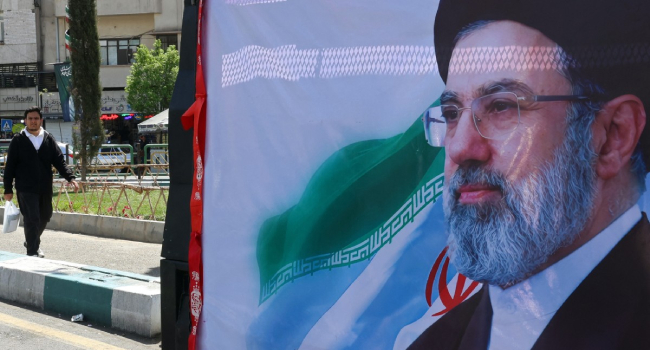
Iran’s supreme leader, Ayatollah Mojtaba Khamenei, has approved a US-brokered agreement aimed at ending the Middle East war, despite what he described as “reservations” over the terms of the deal signed with US President Donald Trump.
The agreement, signed by Trump and Iranian President Masoud Pezeshkian, sets in motion a 60-day negotiation period on broader issues, including Iran’s nuclear programme and long-standing political disputes between the two countries.
However, uncertainty remains over the implementation of the deal, with it still unclear whether a previously planned signing ceremony and follow-up talks in Switzerland will take place.
Mojtaba Khamenei, who assumed leadership following the death of his father, Ayatollah Ali Khamenei, in an airstrike earlier in the conflict, said in a written statement that he approved the agreement while maintaining a “different view”.
“But I issued my permission due to the commitment made by officials… to protect the rights of the Iranian nation,” he said.
He added that future “face-to-face negotiations” with the United States would not imply acceptance of Washington’s position.
Under the deal, the United States has lifted a naval blockade of Iranian ports, while maritime activity in the Strait of Hormuz — a critical global oil transit route — has begun to resume, though full normalisation has not yet been confirmed.
The Strait of Hormuz, which Iran previously blocked during the conflict, is expected to reopen fully under the terms of the agreement. Early reports indicated renewed movement, including the departure of Saudi oil tankers and the passage of a French liquefied natural gas vessel, Mraikh, marking a cautious return to maritime traffic.
Iranian state media, citing the Supreme National Security Council, said vessels seeking passage through the strait must now submit requests to a newly established oversight body. It added that no transit fees would be charged for 60 days under the agreement.
In Washington, US Vice President JD Vance confirmed that technical negotiations with Iranian officials would continue in Switzerland, though timelines remained fluid.
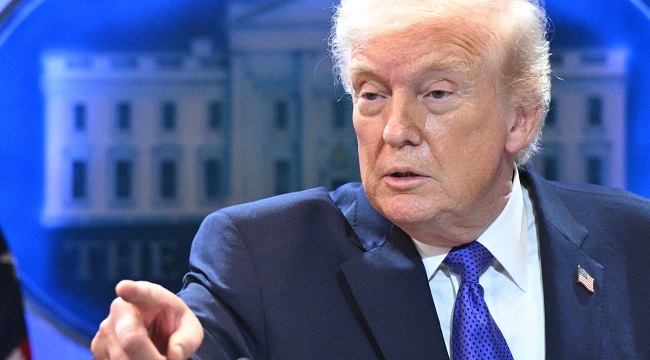
US President Donald Trump defended the agreement, calling it a “Victory” and warning that military action would resume if Iran violated its terms.
The deal has already had a significant impact on global energy markets, with oil prices falling following the announcement. Analysts attribute the decline to reduced geopolitical risk in one of the world’s most sensitive energy corridors.
Despite the diplomatic breakthrough, reactions remain mixed. Some regional observers and citizens have expressed skepticism about the durability of the agreement, warning that tensions could easily resurface after the 60-day window.
French President Emmanuel Macron, who was present at the signing at the Palace of Versailles, cautioned that the war may not be fully over, describing the process as fragile and politically driven.
In Iran, political reactions have also been divided. While some officials described the deal as a strategic success, others remain wary of long-term US intentions. Parliament speaker Mohammad Bagher Ghalibaf called it a US “failure,” while President Pezeshkian described it as “historic.”
In the United States, the agreement has sparked political backlash, with critics arguing that it fails to curb Iran’s nuclear ambitions. Others, however, see it as a strategic pause in hostilities after weeks of intense conflict that included casualties and major military expenditure.
The next 60 days are expected to be critical in determining whether the agreement evolves into a lasting peace framework or collapses amid unresolved geopolitical tensions.