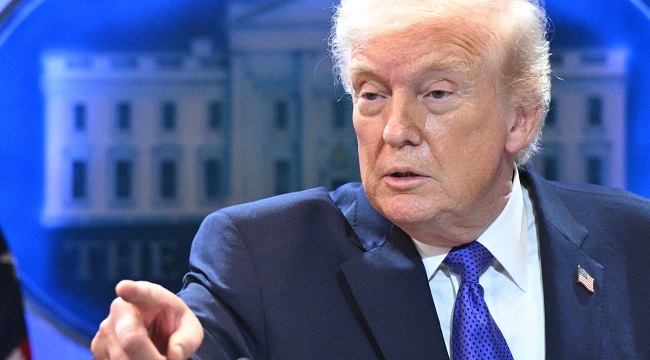
The United States and Iran have released the text of an interim agreement aimed at ending their recent war, marking a major diplomatic shift even as U.S. President Donald Trump warned that military action could resume if Tehran fails to comply with the deal.
The agreement, signed digitally by President Trump and Iranian President Masoud Pezeshkian, extends a ceasefire announced earlier in April by an additional 60 days and outlines steps toward a potential permanent truce.
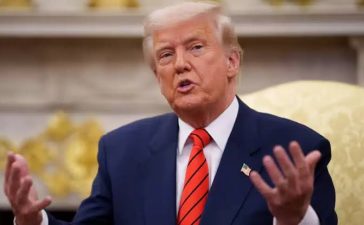
Speaking at the G7 summit in France, Trump said the United States would respond forcefully if Iran violates the agreement.
“We’re going to bomb the hell out of them if they violate the agreement,” he said, adding that Iran must “honor the agreement” for peace efforts to succeed.
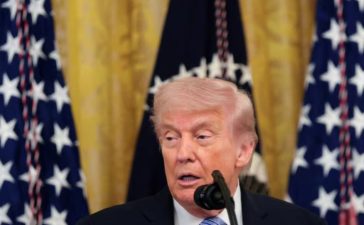
He also reiterated a hardline stance, warning that Washington could “go right back to dropping bombs” if Iran fails to comply, even as negotiators continue working toward a long-term settlement.
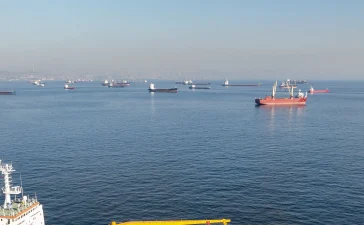
The interim accord reportedly includes a full cessation of hostilities across multiple fronts, including Lebanon, alongside the resumption of maritime traffic through the Strait of Hormuz and the lifting of U.S. restrictions on Iranian ports.
It also provides for the easing of sanctions, the unfreezing of Iranian assets and the creation of a $300 billion reconstruction fund to support post-war recovery.
Iranian officials said the agreement had already taken effect, with Foreign Ministry representatives describing it as a significant diplomatic breakthrough.
Iran’s chief negotiator, Mohammad Baqer Qalibaf, said the deal delivered more than what military confrontation could have achieved.
“Everything we sought to achieve through military action, we obtained several times over through negotiation; it was not even comparable,” he said on state television.
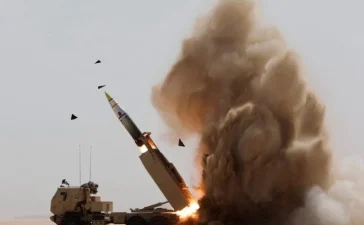
The agreement follows a devastating conflict that began on February 28, when the United States and Israel launched strikes on Iran, including the assassination of Supreme Leader Ayatollah Ali Khamenei and senior military officials. The war quickly escalated into a broader regional crisis that has claimed thousands of lives and disrupted global energy and food markets.
Under the deal, Iran has also agreed not to pursue nuclear weapons and to place parts of its enriched uranium stockpile under International Atomic Energy Agency supervision for on-site processing.
However, key details remain contentious, including Washington’s previous demand to remove enriched uranium from Iran entirely, a proposal Tehran rejected.
Oil markets reacted swiftly to the announcement, with Brent crude prices falling below $80 per barrel on expectations of improved shipping conditions through the Strait of Hormuz before partially rebounding after Trump’s renewed threats.
While the agreement has been hailed by both sides as a diplomatic breakthrough, the combative tone from Washington has raised questions about its long-term stability.
Analysts say the next 60 days will be critical in determining whether the ceasefire evolves into a lasting peace deal or collapses under renewed geopolitical tensions.