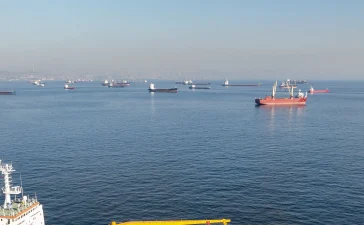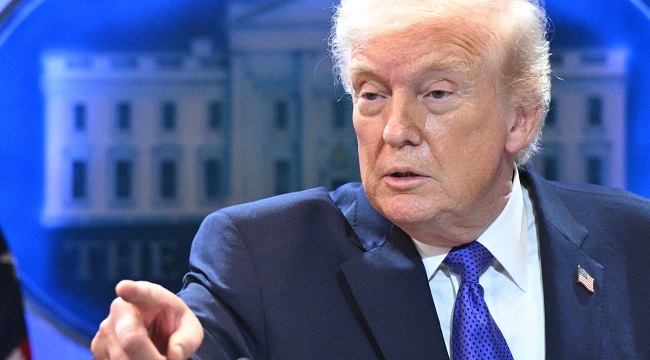
US President Donald Trump has vowed to respond after accusing Iran of shooting down an American military helicopter over the Strait of Hormuz, raising fresh concerns about the stability of a fragile ceasefire between the two countries.
Trump made the announcement on Tuesday, saying he had been informed that Iranian forces shot down a US Apache helicopter during a patrol mission the previous night.
In a statement, the president said the aircraft was one of the United States’ “highly sophisticated Apache Helicopters” and that the incident could not go unanswered.
“Last night the Iranians shot down one of our highly sophisticated Apache Helicopters while patrolling over the Strait of Hormuz,” Trump said.
Although the helicopter’s crew members were not injured, Trump stressed that the United States would respond to the attack.
“While the crew members were uninjured, the United States must, of necessity, respond to this attack,” he added.
The development came just hours after Trump suggested that negotiations aimed at ending the conflict in the Middle East were approaching a breakthrough.
Meanwhile, Iran’s Parliament Speaker and chief negotiator in talks with Washington, Mohammad Bagher Ghalibaf, warned the United States against abandoning its commitments under ongoing diplomatic discussions.
Speaking on Tuesday, Ghalibaf signalled that Tehran remained committed to diplomacy but was prepared to take a tougher stance if necessary.
“We prefer the language of diplomacy, but we speak other languages far more fluently. Break your commitments, and we’ll switch to what we speak best. You ride the horse you saddled!” he wrote on X.
The Apache helicopter is the second crewed US aircraft reportedly shot down by Iran during the conflict. Earlier in April, Washington confirmed the loss of an F-15 fighter jet.
The latest incident has cast uncertainty over a ceasefire that has been in place since April 8. The truce followed weeks of intense fighting sparked by US and Israeli strikes on Iran on February 28.
Iran and Israel halted attacks on Monday in an effort to prevent the conflict from escalating further. However, the downing of the helicopter and the possibility of a US military response now threaten to undermine those efforts.
Tehran has maintained that any lasting resolution to the conflict must also include a ceasefire in Lebanon, where hostilities intensified after Hezbollah launched rockets into Israel on March 2.
Israel responded with extensive airstrikes and a ground offensive that have reportedly killed more than 3,600 people. Despite an ongoing truce, exchanges of fire between Israeli forces and the Iran-backed Hezbollah movement have continued.
Diplomatic efforts remain ongoing, but the latest developments highlight the challenges facing negotiators as both sides seek to prevent a return to full-scale conflict.