Millions of Ethiopians turned out on Monday for legislative elections widely expected to extend Prime Minister Abiy Ahmed’s rule, amid ongoing concerns about political freedoms, security challenges, and the competitiveness of the electoral process.
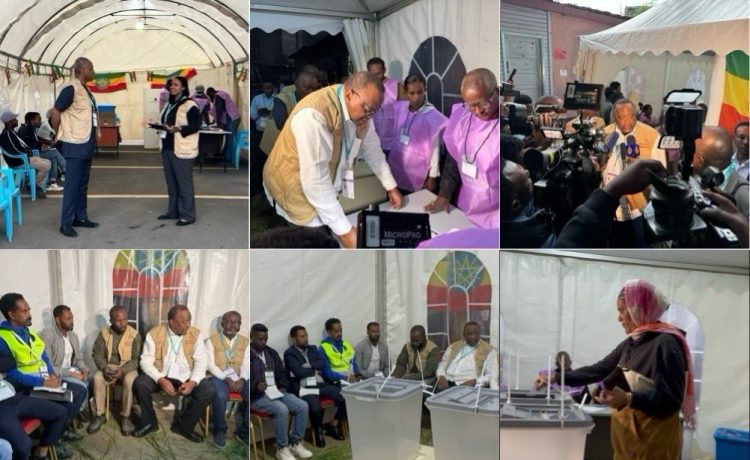
Polling stations opened at 6 a.m. local time across Ethiopia, with long queues forming early in the day as citizens voted to elect more than 500 members of the House of Representatives.
In the capital, Addis Ababa, voters arrived before sunrise, with heightened security and military presence reported around several polling locations. Many citizens described a sense of civic duty as they participated in the vote.
“This is my first time voting. The election is good, it is fair,” said voter Bisrat Ketema. “I have voted for the party I believe will benefit this country.”
Another voter, Tesfaye Eshetu, said early turnout reflected public interest in political groups seen as capable of addressing economic and social challenges.
The elections are widely expected to result in another victory for Abiy Ahmed’s Prosperity Party, potentially securing him a third term in office. In the 2021 elections, the ruling party won an overwhelming majority, securing 96 percent of parliamentary seats.
This year’s vote, however, takes place in a more fragmented political environment. More than 40 opposition parties are contesting, many with limited national reach and resources. In some constituencies, Prosperity Party candidates are running unopposed.
Opposition groups and analysts have raised concerns about shrinking political space. Some opposition leaders remain in exile, others are detained, and several armed groups continue to reject participation in the political process.
Think tank analysts, including those at Chatham House, have described the election as one of the least competitive since Ethiopia adopted multiparty democracy in 1991.
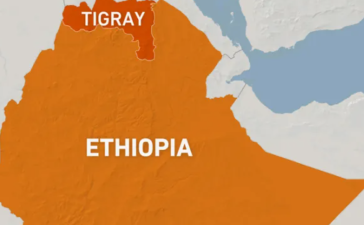
Voting is not taking place in the northern Tigray region due to ongoing tensions between regional and federal authorities. Security concerns also persist in Oromia and Amhara regions, both of which remain key flashpoints.
Although Abiy Ahmed was awarded the Nobel Peace Prize in 2019 for his role in ending the conflict with Eritrea, his administration continues to face criticism over internal conflicts, restrictions on dissent, and governance challenges.
Approximately 50 million of Ethiopia’s 130 million citizens are registered to vote. The process is being monitored by observers from the African Union and IGAD, with official results expected within ten days.
As the country awaits results, national reconciliation, economic reform, and democratic governance remain central themes shaping Ethiopia’s evolving political trajectory.