The president of Senegal has pardoned journalist René Capain Bassene, who had been serving a life sentence in connection with a 2018 massacre in the Casamance region, according to the Committee to Protect Journalists (CPJ).
Bassene was convicted over the killing of 14 loggers in January 2018 in the Bayottes forest, located in the Casamance region of southern Senegal. He was freed from prison in Dakar the day after the presidential pardon was granted.
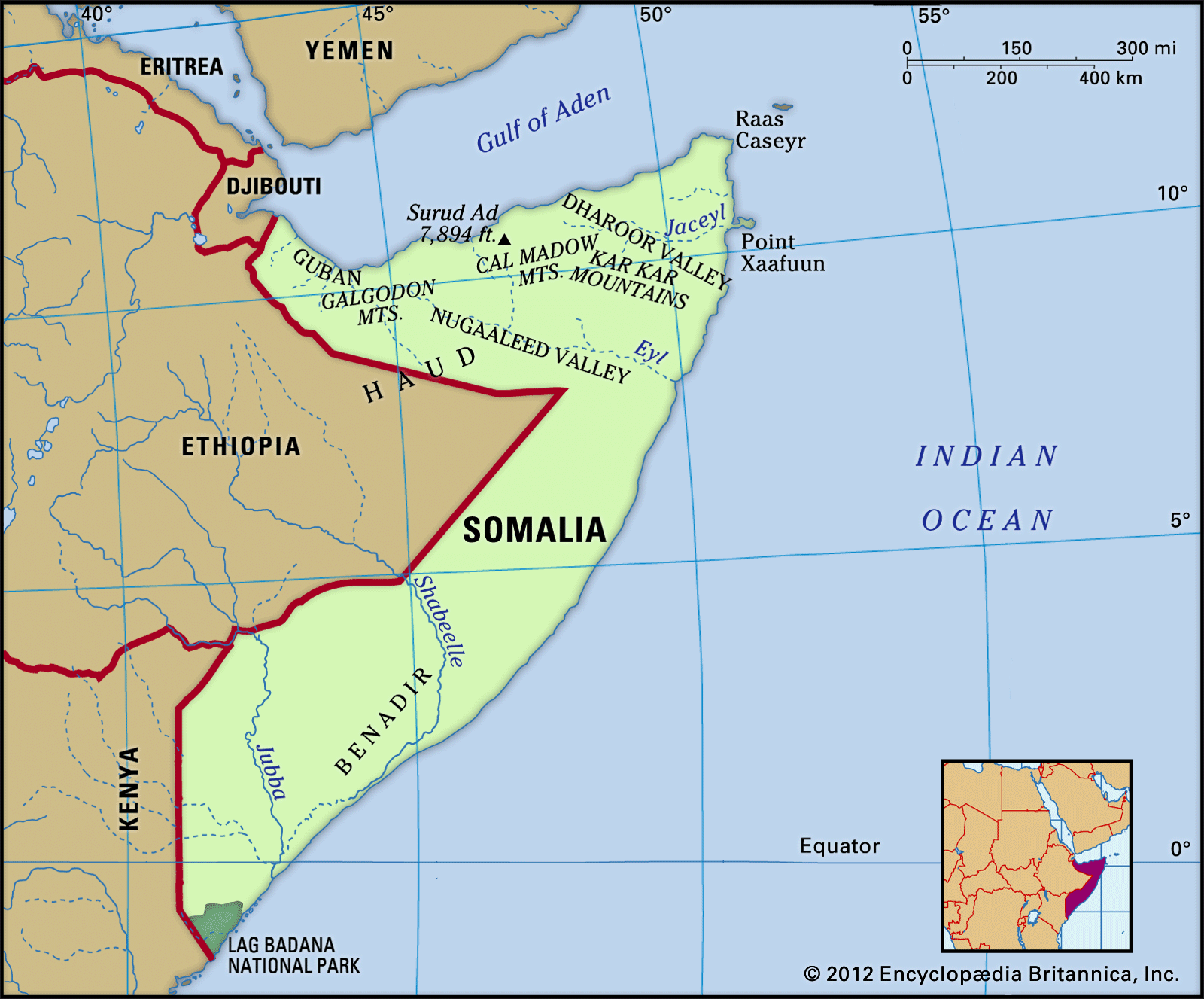
The Casamance region is geographically separated from much of Senegal by The Gambia and has been the centre of a long-running separatist conflict that has persisted for more than four decades.
In a statement, CPJ described the pardon as an attempt to correct what it called a “grave miscarriage of justice” against a journalist who had spent much of his career reporting on efforts to resolve the conflict.
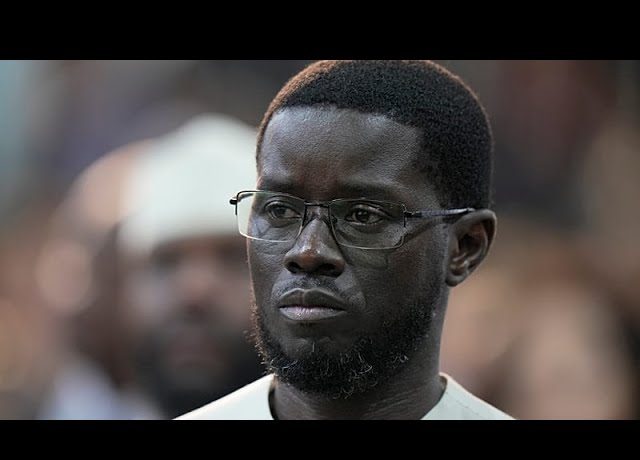
The organisation said President Bassirou Diomaye Faye granted the pardon on Tuesday.
The 2018 killings in the Bayottes forest were initially blamed on separatist fighters from the Casamance Movement of Democratic Forces (MFDC), although the group denied involvement.
Authorities have long accused MFDC fighters of operating in the forest area and financing their activities through illegal logging and cannabis trafficking, allegations the group has consistently rejected.
Following investigations, Bassene and two alleged MFDC members were sentenced to life imprisonment over the massacre. One of the rebels was tried in absentia, while another was later acquitted in August 2024.
Other defendants in the case received varied sentences, including suspended terms and acquittals for several individuals.
CPJ said its review of court documents and interviews with witnesses suggested serious flaws in the investigation, including claims that some defendants were pressured into implicating Bassene or signing inaccurate statements.
Bassene, who had extensively covered the Casamance conflict throughout his career and authored several books on the subject, has long maintained his innocence.
His release has been welcomed by press freedom advocates, who argue the case highlights ongoing concerns about judicial fairness and the treatment of journalists in conflict reporting environments.