Tensions between the United States and Iran escalated sharply in the Gulf on Thursday after both sides exchanged fire in waters near the strategically vital Strait of Hormuz, raising fears that a month-old ceasefire could collapse.
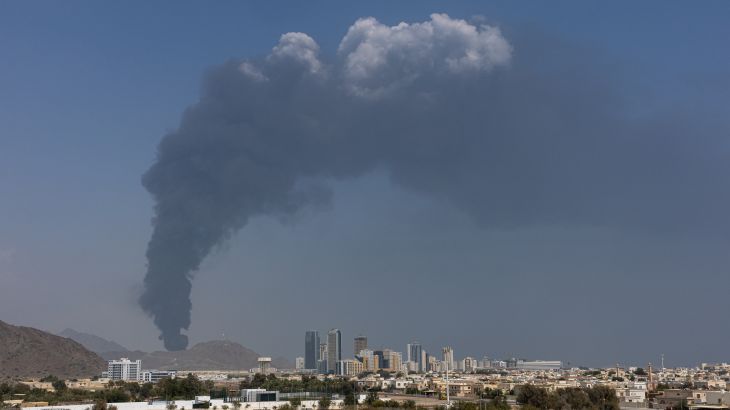
The renewed confrontation also coincided with fresh attacks on the United Arab Emirates, further destabilising the region and dampening hopes for a diplomatic resolution to the ongoing crisis.
U.S. President Donald Trump said three U.S. Navy destroyers were targeted while transiting through the Strait of Hormuz, a key global energy corridor responsible for transporting nearly a fifth of the world’s oil and liquefied natural gas.
“There was no damage done to the three destroyers, but great damage done to the Iranian attackers,” Trump said, adding that the ceasefire remained technically in place despite the confrontation.
Iran, however, accused Washington of violating the ceasefire, alleging that U.S. forces struck an Iranian oil tanker and carried out air raids on civilian areas on Qeshm Island and nearby coastal regions.
Iran’s military command, including the Khatam al-Anbiya Central Headquarters, claimed its forces retaliated by targeting U.S. naval assets east of the Strait and near the port of Chabahar, stating that “significant damage” had been inflicted. U.S. Central Command, however, denied any of its assets were hit.
Iranian state media later reported that calm had returned to affected coastal areas after several hours of exchanges.
Since the ceasefire took effect on April 7, sporadic clashes have continued, with Iran reportedly carrying out strikes on targets in Gulf states, including the UAE, where several U.S. military installations are located.
The latest escalation follows months of heightened tensions that began after joint U.S.–Israeli airstrikes on Iran on February 28, which triggered the current cycle of hostilities.
Diplomatic efforts to restore stability remain uncertain as both sides continue to trade accusations over ceasefire violations, while regional states closely monitor developments in the volatile Gulf.