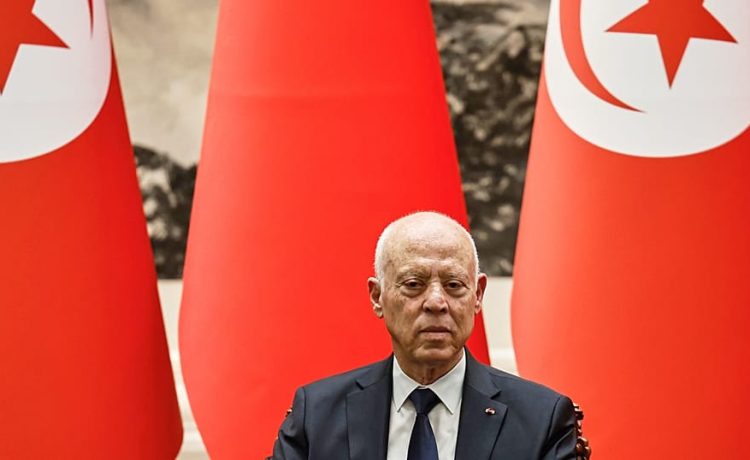
Kais Saied has dismissed Energy and Industry Minister Fatma Thabet Chiboub, according to a brief statement from the presidency that gave no reason for the decision.
The move comes ahead of a parliamentary session reviewing controversial draft laws governing renewable energy contracts, particularly agreements involving foreign companies in Tunisia’s solar power sector.
The proposed legislation allows foreign firms to develop and operate solar installations for up to 20 years, renewable for another 10 years, with a five-year tax exemption period. The electricity generated would be sold to Tunisia’s state utility company, STEG.
The government argues that the reforms are designed to strengthen energy independence, secure supply, and reduce electricity production costs in a country heavily reliant on energy imports.
Tunisia currently imports most of its energy needs, placing significant pressure on public finances due to subsidies on fuel, electricity, and gas. Authorities say renewable energy expansion is central to addressing this imbalance.
State Secretary for Energy Transition Wael Chouchane said renewable energy accounted for about 9% of Tunisia’s power mix in April, with a target of 35% by 2030.
The government has also announced nearly $600 million in investment projects aimed at installing solar infrastructure with a combined capacity of 600 megawatts, targeting regions in the centre and south of the country with high solar potential but lower economic development.
However, the draft laws have drawn strong opposition from trade unions and lawmakers. The powerful UGTT criticised the proposals, arguing they risk increasing foreign dependence and undermining national sovereignty.
Some lawmakers have also described the reforms as a form of “energy colonisation,” with MP Bilel El Mechri welcoming the minister’s dismissal and calling for legal accountability over the handling of energy policy.
In the interim, the presidency said Housing Minister Salah Eddine Zouari will take over the responsibilities of the energy ministry.
The political shake-up underscores rising tensions over Tunisia’s energy strategy as the country balances foreign investment needs with domestic concerns over sovereignty and economic control.