Women in Management Africa (WIMAFRICA) has called for greater economic empowerment of women across the continent, urging governments, financial institutions and private-sector organisations to improve access to finance, business opportunities and economic decision-making positions.
The organisation made the call ahead of the maiden African edition of the Women in Management global economic forum, scheduled to hold in Lagos from November 10 to 11, 2026.
The two-day conference is taking place at the Federal Palace Hotel under the theme, The Power Shift: Women Driving Africa’s Global Economic Influence.
The event is expected to bring together women leaders, entrepreneurs and business executives from different parts of the world to discuss ways of increasing women’s participation in Africa’s economic development.
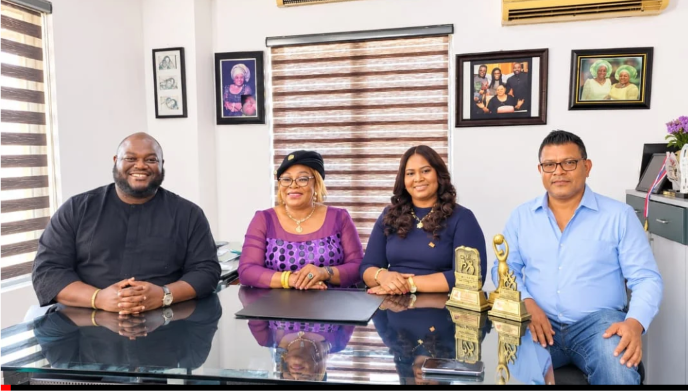
Chairperson of WIMAFRICA, Dr Ngozi Oyewole, said African women already played important roles in agriculture, manufacturing, trade and entrepreneurship but continued to face barriers that limited their ability to expand businesses and influence economic decisions.
According to her, the organisation wants women to move beyond participating in economic activities to occupying positions where they can influence investment, trade, production and the allocation of resources.
Oyewole, who is also the Vice Chairman of the Industrial Training Fund and founder of Commonwealth Business Women Africa, explained that women-owned businesses require stronger institutional and financial support to compete effectively.
She identified inadequate access to capital, limited market opportunities, poor infrastructure, cultural restrictions and land ownership challenges as some of the major obstacles affecting women entrepreneurs across Africa.
One of the concerns raised was the difficulty women-owned businesses experience when attempting to secure working capital.
Some entrepreneurs reportedly struggle to finance production even after receiving confirmed purchase orders because they lack sufficient funds to purchase raw materials, pay workers and cover operational expenses before customers make payments.
This situation can prevent otherwise viable businesses from accepting larger orders or expanding their operations.
Oyewole therefore called on financial institutions to develop financing products that reflect the realities of women-owned enterprises, particularly businesses operating in manufacturing and other productive sectors.
She also urged governments and corporate organisations to improve access to procurement opportunities for qualified women-owned businesses.
According to her, economic empowerment policies should be assessed by examining how many women-owned businesses receive government and corporate contracts and whether payments are made promptly after work is completed.
The organisation also identified the African Continental Free Trade Area (AfCFTA) as an important opportunity for women entrepreneurs seeking to expand beyond their domestic markets.
The agreement is designed to create a single continental market for goods and services, offering businesses opportunities to reach customers across African countries.
However, many women entrepreneurs still lack practical knowledge of the agreement’s rules of origin, documentation requirements and cross-border trading procedures.
Oyewole said targeted education and institutional support would help women-owned businesses take advantage of the opportunities created by continental trade integration.
She further highlighted infrastructure challenges, particularly unreliable electricity and poor road networks, as major obstacles affecting women operating in agriculture and rural enterprises.
For businesses dealing in perishable agricultural products, inadequate transportation and storage facilities can result in substantial post-harvest losses.
Unreliable electricity also increases operating expenses for manufacturers and small businesses that depend on power to maintain production.
The organisation believes that improving infrastructure would reduce operating costs, increase business profitability and strengthen the competitiveness of women-led enterprises.
Another issue raised was the need to improve women’s access to property and productive assets.
Oyewole warned that cultural practices in some communities continue to restrict women’s ownership and control of land, limiting their ability to use property as collateral when seeking business financing.
Meanwhile, Founder of Women in Management, Dr Sulochana Segera, said bringing the international platform to Africa was intended to connect African women to global business, investment and trade opportunities.
She explained that the organisation had expanded its network to 29 countries since its establishment in Sri Lanka 16 years ago.
The network is expected to create opportunities for women professionals and entrepreneurs to share expertise, establish business relationships and explore international partnerships.
Segera also highlighted the WIM Top 50 recognition platform, which is designed to celebrate women’s achievements, innovations and contributions to economic development.
She said the Lagos gathering was intended to go beyond an awards event by creating opportunities for investment, business collaboration and long-term economic cooperation.
The conference comes at a time when African governments are increasingly focusing on entrepreneurship, industrial development and inclusive economic growth.
Women-owned businesses play important roles in the continent’s informal and formal economies, but access to affordable financing and larger markets remains uneven.
Improving these conditions could strengthen employment generation, encourage industrial development and increase the contribution of women-led enterprises to national economies.
The call by WIMAFRICA therefore places greater emphasis on moving from general commitments to women’s empowerment towards practical measures that improve their ability to own, finance and expand businesses.