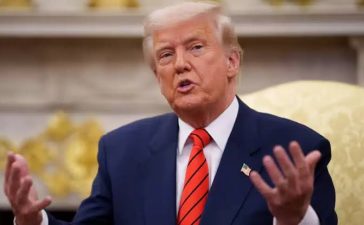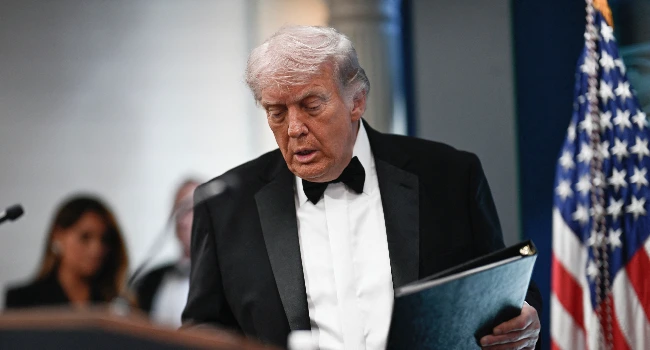
United States President Donald Trump will attend the upcoming NATO summit in Turkey, Secretary of State Marco Rubio has confirmed, amid ongoing questions about Washington’s commitment to the military alliance.
Rubio made the announcement on Wednesday while testifying before the House Foreign Affairs Committee, stating that Trump would participate in the NATO meeting of heads of state scheduled for July 7 and 8 in Ankara.
According to Rubio, the summit is expected to be one of the most significant gatherings in the alliance’s history due to several unresolved issues affecting NATO’s future.
“The President himself will be attending the next NATO meeting of heads of state, where all these points will be made clear,” Rubio said.
He added that while the United States remains committed to NATO, reforms are necessary to strengthen the alliance and address emerging challenges.
“We’re still in NATO, but NATO needs significant changes,” Rubio stated.
The summit will bring together leaders from the alliance’s 32 member states to discuss security priorities, defence cooperation and the future role of NATO in an increasingly complex geopolitical environment.
Rubio described the upcoming meeting as potentially the most important NATO summit in recent history because of the need to clarify strategic issues and strengthen cooperation among member countries.
Relations between Washington and several European allies have remained under strain following disagreements over recent military actions involving the United States and Israel.
European governments declined to participate in military operations against Iran, a decision that has contributed to tensions within the alliance.
The situation has also coincided with a reduction in the number of American troops stationed in parts of Europe, further fueling debate about the future of transatlantic security cooperation.
In separate congressional testimony on Tuesday, Rubio expressed frustration over Spain’s decision not to permit the use of its military bases for operations targeting Iran.
According to the Secretary of State, restrictions on access to military facilities raise broader questions about burden-sharing and operational cooperation within the alliance.
“We have members of that alliance that are basically denying the use of those bases in a contingency,” Rubio said.
He suggested that such actions could prompt discussions about the responsibilities and commitments of NATO member states.
The comments highlight ongoing differences within the alliance over defence priorities, military engagements and strategic coordination.
Analysts believe the Ankara summit could serve as a crucial platform for addressing these concerns and redefining NATO’s role in an evolving global security environment.
The meeting is expected to focus on defence spending, collective security commitments, regional conflicts and the future direction of the alliance as it faces increasing geopolitical challenges.
Trump’s attendance is likely to attract significant international attention, particularly as NATO members seek to strengthen unity and address internal disagreements ahead of a rapidly changing global security landscape.