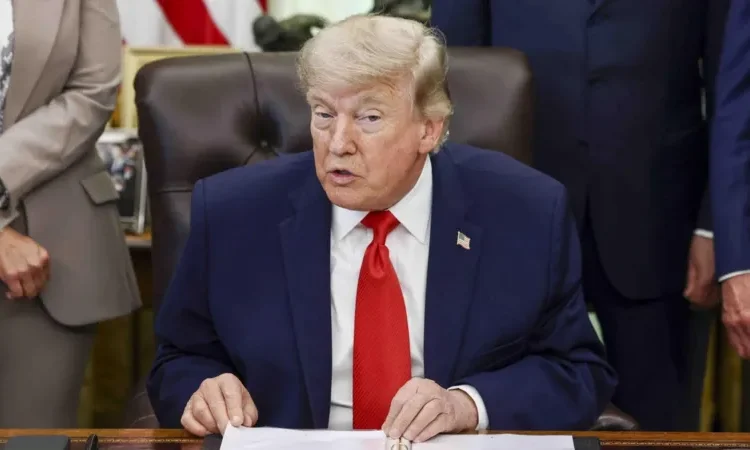
US President Donald Trump has claimed that an agreement to end the war with Iran is close, even as Iranian officials insist that no final deal has been reached.
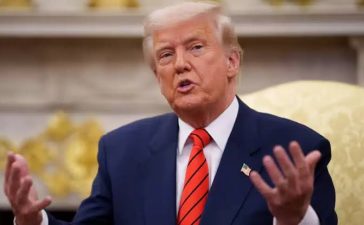
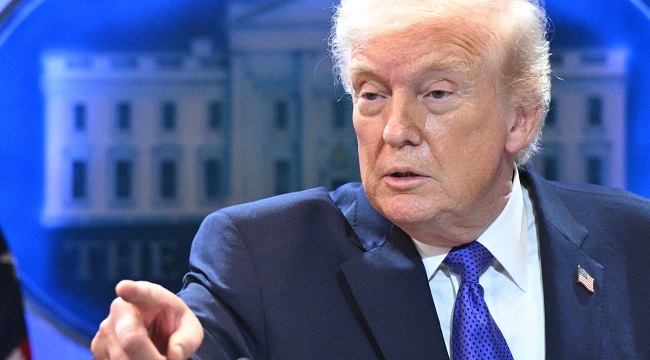
Speaking to reporters on Thursday, Trump said US negotiators had reached what he described as “a great settlement” with Iran, pending the finalisation of documents expected within days.
“We have a deal that Iran will never have a nuclear weapon, which was the whole purpose of what we had to go through to get this,” Trump said. He added that a signing ceremony could “probably” take place in Europe once the paperwork is completed.
However, Iran’s foreign ministry spokesperson, Esmail Baghaei, dismissed the claims, telling state television that reports of an agreement were “speculative” and that “nothing has been finalised”.
He said the draft text was “largely finalised” but accused the United States of introducing “excessive demands” and new conditions, stressing that Tehran would not “depart from its red lines”.
The latest diplomatic uncertainty comes amid heightened tensions between Washington and Tehran. Earlier in the week, both sides reportedly exchanged strikes following a fragile ceasefire agreement reached in April, raising fears of renewed escalation in the region.
The US and Israel had previously launched wide-ranging strikes on Iran on 28 February, prompting Iranian retaliation against Israeli targets and US-aligned states in the Gulf. The conflict also disrupted maritime activity in the Strait of Hormuz, a critical global energy route.
Despite earlier ceasefire arrangements, intermittent hostilities have continued alongside ongoing negotiations aimed at curbing Iran’s nuclear programme and addressing regional security concerns.
Trump said the proposed agreement would guarantee that Iran would not acquire nuclear weapons and suggested that broader regional stability measures, including the reopening of the Strait of Hormuz, would follow the deal’s finalisation.
He also claimed to have spoken with regional leaders, including Gulf allies and Israeli Prime Minister Benjamin Netanyahu, stating that “the whole Middle East is very happy” about the progress.
However, Israel’s Prime Minister’s Office clarified that while a conversation with Trump took place, Israel is “not a party to the memorandum of understanding,” though it supports conditions including limits on Iran’s nuclear and missile programmes.
The proposed deal reportedly includes provisions on the removal of enriched uranium material, dismantling of enrichment infrastructure, restrictions on missile production, and curbs on Iran’s support for regional proxy groups.
Market reactions were immediate, with Brent crude prices falling sharply by about 4.4% to around $89 per barrel following Trump’s comments, reflecting investor expectations of reduced geopolitical risk if a deal is confirmed.
Previous rounds of negotiations have similarly raised expectations of progress, only for talks to stall over unresolved conditions. On several occasions, Trump has publicly suggested that an agreement was near, without it materialising.
As diplomatic efforts continue, both sides maintain firm public positions, with Washington pushing for a rapid resolution and Tehran insisting that its core demands remain unchanged. The outcome now hinges on whether the two parties can reconcile remaining differences and move toward formal agreement.